
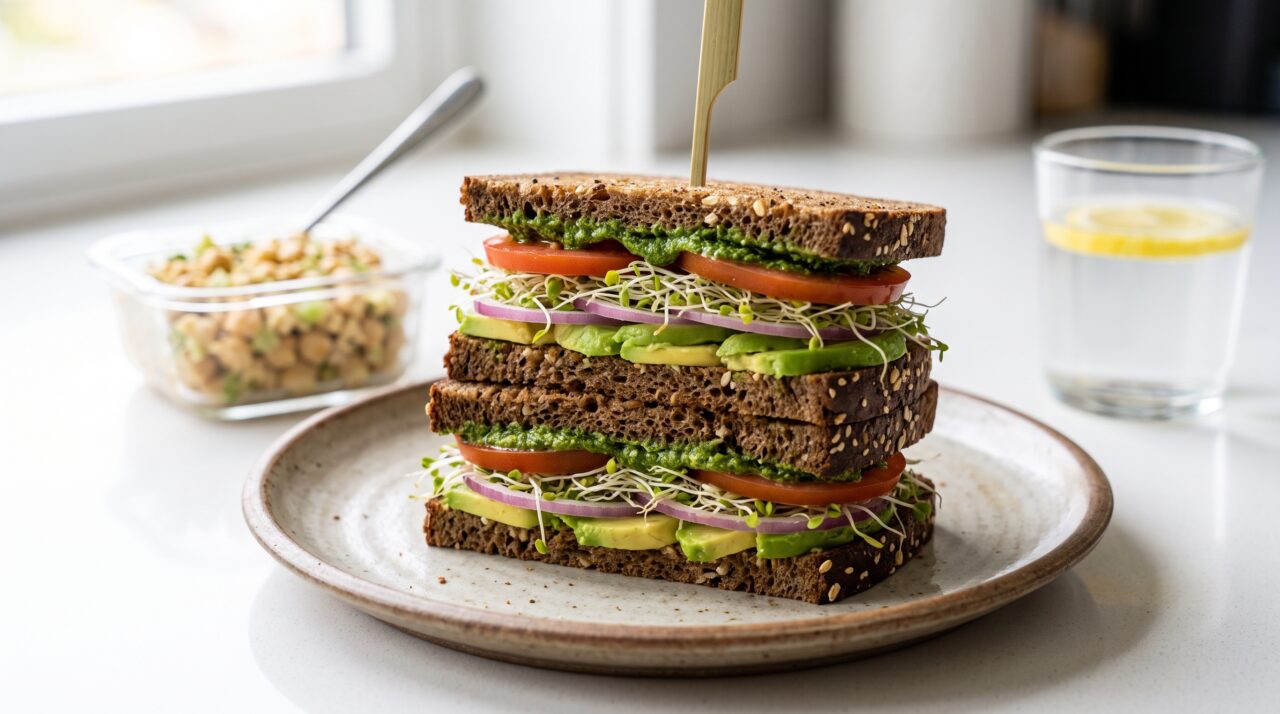

Few meals feel as personal as a sandwich. It’s fast, flexible, and endlessly customizable, which is exactly why vegan sandwich recipes have become one of the most searched plant-based meal categories online. Whether you’re new to plant-based eating or you’ve been at it for years, this guide breaks down everything you need to build sandwiches that are hearty, flavorful, and never boring.
Why Vegan Sandwich Recipes Are Having a Moment
Plant-based eating has moved far past the “salad and nothing else” stereotype, and sandwiches are leading that shift. People want meals that fit into a busy schedule without sacrificing taste, and vegan sandwich recipes deliver exactly that combination of speed and satisfaction. A well-built sandwich can hold protein, fiber, healthy fats, and vegetables in a single handheld package.
There’s also a cultural angle worth noting. Sandwiches are one of the few food formats that translate across nearly every cuisine, from Mediterranean-style wraps to American-style deli stacks. That universality makes it easy to reimagine classic combinations using plant-based ingredients instead of meat or dairy, which is part of why interest in this category keeps growing year over year. Social media has amplified that momentum too, with home cooks sharing quick assembly videos and unexpected flavor pairings that make plant-based meals feel approachable rather than restrictive.
Building Blocks: Choosing the Right Bread and Base
Bread is the foundation, and it matters more than most people assume. Denser breads like sourdough, whole grain, or rustic ciabatta hold up better against wet fillings and won’t turn soggy halfway through lunch. Softer options like brioche-style vegan buns work well for warm sandwiches where you want a pillowy bite.
Beyond bread, don’t overlook alternative bases. Flatbreads, lettuce wraps, and even roasted sweet potato slices can serve as sturdy, low-carb foundations. Choosing the right base is often the difference between a sandwich that falls apart and one that holds together through every bite, which is a small detail that makes a big difference in how satisfying vegan sandwich recipes feel in practice. Toasting bread lightly before assembly also creates a barrier against moisture, extending how long a packed lunch stays fresh and appealing.
Protein-Packed Fillings Worth Knowing
Protein is usually the first concern people raise about plant-based meals, but sandwiches make it simple to solve. Marinated tofu, tempeh, seitan, and chickpea mash all bring substantial texture and staying power. Lentil patties and black bean spreads are excellent for a heartier, almost meat-like bite.
Hummus deserves special mention here, since it doubles as both a spread and a protein source. Combined with roasted vegetables or grilled tofu, it creates a filling that feels indulgent rather than restrictive. These ingredients are exactly why so many vegan sandwich recipes manage to feel filling enough for a full meal, not just a light snack. Rotating between two or three of these proteins throughout the week also keeps texture and flavor from becoming repetitive.
Sauces and Spreads That Elevate Every Bite
A sandwich lives or dies by its sauce. Cashew-based aiolis, tahini dressings, and avocado spreads add richness that dairy-based mayo or butter would normally provide. Spicy options like chipotle cashew cream or harissa yogurt alternatives bring a punch that keeps things interesting.
Balance matters here too. A creamy spread paired with something acidic, like a quick pickle or a squeeze of lemon, keeps the overall flavor from feeling flat. Getting this balance right is one of the simplest ways to make homemade sandwiches taste like something from a specialty café, and it costs nothing more than a few extra minutes of prep.
Vegetables That Add Crunch and Color
Texture is often the missing piece in a sandwich that feels underwhelming. Thinly sliced cucumber, shredded carrot, or crisp romaine bring crunch that contrasts nicely with softer fillings like mashed avocado or hummus. Roasted vegetables, on the other hand, bring depth and a slightly caramelized sweetness.
Color matters for more than presentation. A mix of purple cabbage, orange carrot, and green herbs signals a wider range of nutrients, which is part of why visually vibrant sandwiches tend to be more nutritionally complete as well. This is a simple habit that instantly improves the overall quality of any homemade sandwich, and it takes only an extra minute or two of slicing.
A Practical Comparison of Popular Sandwich Styles
Not every sandwich style suits every occasion, so it helps to see how common options stack up side by side.
| Sandwich Style | Main Protein Source | Prep Time | Best For |
|---|---|---|---|
| Chickpea Salad Sandwich | Chickpeas, tahini | 10 minutes | Quick lunches, meal prep |
| Grilled Tempeh Sandwich | Marinated tempeh | 20 minutes | Hearty dinners |
| Hummus and Veggie Wrap | Hummus, mixed veggies | 5 minutes | Light meals, on-the-go |
| BBQ Jackfruit Sandwich | Jackfruit | 25 minutes | Weekend comfort food |
| Tofu Banh Mi | Marinated tofu | 20 minutes | Bold, tangy flavor lovers |
Looking at options this way makes meal planning far less overwhelming. Instead of guessing what to make, you can match the sandwich to your available time and the flavor profile you’re craving that day, whether that’s something quick before work or a more relaxed weekend build.
Popular Combinations Worth Trying at Home
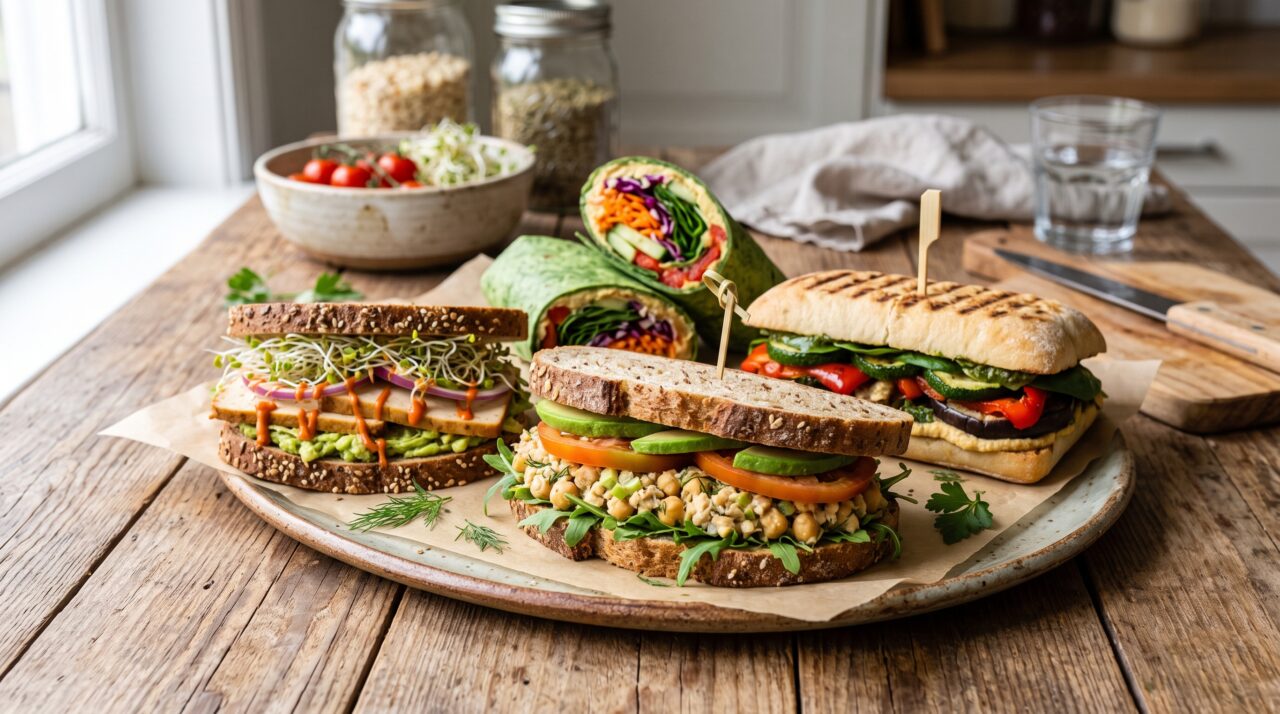
Some combinations have earned their popularity for good reason. A smoky chickpea salad with celery, red onion, and a squeeze of lemon mimics the texture of a classic egg or tuna salad remarkably well. A grilled tempeh sandwich with barbecue glaze and slaw brings a smoky-sweet balance that works for both lunch and dinner.
For something lighter, a hummus and roasted vegetable wrap keeps things simple without sacrificing flavor. These combinations show how varied vegan sandwich recipes can be, ranging from quick five-minute assemblies to slightly more involved dinner-style builds.
Meal Prep Strategies That Actually Work
Meal prepping sandwiches requires a slightly different approach than prepping bowls or casseroles. Storing wet ingredients separately from bread is the single most useful trick, since it prevents sogginess and keeps textures intact until you’re ready to eat. Spreads, proteins, and vegetables can usually be prepped two to four days in advance.
Assembling just before eating, rather than the night before, preserves crunch and keeps flavors distinct. This small adjustment in routine is often what separates a soggy, disappointing lunch from one that tastes freshly made, even when it was prepped days earlier.
Common Mistakes That Hold Sandwiches Back
One of the most frequent mistakes is skipping a sturdy protein source, which leaves a sandwich feeling more like a vegetable snack than a full meal. Another common issue is over-saucing, which can make bread fall apart before you even finish half of it. Balance is everything.
Underseasoning is another quiet culprit. Plant-based proteins like tofu and tempeh absorb flavor well, but only if they’re marinated or seasoned properly beforehand. A few extra minutes spent on seasoning usually makes the difference between a forgettable sandwich and a genuinely memorable one, and it’s a step worth building into your regular routine rather than skipping when short on time.
Nutritional Considerations Worth Understanding
A well-constructed sandwich can meet a meaningful portion of daily nutritional needs. Whole grain bread contributes fiber, legumes and tofu contribute protein, and a variety of vegetables round out vitamins and minerals. Healthy fats from avocado, nuts, or seed-based spreads help with satiety.
As registered dietitian and plant-based nutrition advocate Sharon Palmer has noted, “Plant-based eating doesn’t have to be complicated; simple combinations of whole foods can meet protein and nutrient needs when planned thoughtfully.” That principle applies directly to sandwich building, where a handful of smart ingredient choices can turn a simple meal into a nutritionally complete one. Pairing a legume-based protein with a vitamin C-rich vegetable, like bell pepper or tomato, can also help the body absorb plant iron more efficiently.
Where This Category Is Heading
Interest in plant-based convenience foods continues to expand, and sandwiches sit right at the intersection of convenience and creativity. More cafés and delis are adding dedicated plant-based sections to their menus, often featuring ingredients like jackfruit, seitan, and cashew-based cheeses that weren’t mainstream just a few years ago.
Home cooks are following that same trend, experimenting with global flavors rather than sticking to a single formula. This growing variety is a strong sign that the category still has plenty of room to evolve, rather than settling into one predictable format. Expect to see more fusion-style builds in the coming years, blending regional spices and sauces that haven’t traditionally been paired with sandwich formats before.
Bringing It All Together
Great sandwiches come down to a few dependable principles: a sturdy base, a substantial protein, a well-balanced sauce, and enough texture to keep every bite interesting. Once those fundamentals click, building satisfying vegan sandwich recipes becomes less about following a strict formula and more about mixing and matching what you already enjoy.
Whether you’re prepping lunches for the week or putting together a weekend dinner, the flexibility of this format means there’s always room to experiment. Start with the combinations that sound most appealing, adjust the seasoning to your taste, and let the process become second nature over time, one satisfying sandwich at a time.
Read more Brown Rice in an Instant Pot: The Complete Guide to Perfect Results Every Time
Frequently Asked Questions
What makes a sandwich filling enough without meat?
A combination of a substantial plant protein, like tofu, tempeh, or legumes, along with a hearty spread and sturdy bread, is usually enough to make vegan sandwich recipes feel just as filling as traditional versions.
Can vegan sandwich recipes be meal-prepped in advance?
Yes, most components can be prepped two to four days ahead. Storing wet ingredients separately from bread and assembling just before eating helps preserve texture and flavor.
What bread works best for plant-based sandwiches?
Denser breads like sourdough or whole grain hold up well against wet fillings, while softer buns work better for warm sandwiches. The right choice depends on the specific filling being used.
Are these sandwiches nutritionally balanced on their own?
When built with a mix of whole grain bread, a protein source, healthy fats, and vegetables, vegan sandwich recipes can offer a fairly complete nutritional profile for a single meal.
What’s an easy starting point for beginners?
A chickpea salad sandwich is one of the simplest entry points, since it requires minimal cooking and mimics familiar textures like traditional egg or tuna salad.