

Costa Rica stands as a breathtaking beacon of natural beauty, political stability, and ecological innovation, capturing the imagination of travelers, researchers, and global citizens alike. When exploring this vibrant Central American paradise, uncovering various fun facts about costa rica reveals a nation that punches far above its weight class in global significance and environmental leadership.
From its historic abolition of the military to its pioneering role in 100% renewable energy and grassroots conservation, this lush tropical republic offers endless layers of intrigue and inspiration. This comprehensive guide delves deep into the heart of the country, examining the unique attributes, cultural philosophies, and geographical marvels that make it an unparalleled destination for nature lovers and culture enthusiasts.
Unveiling the Ecological Diversity of Central America
The sheer volume of biological richness packed into such a compact geographic footprint remains one of the most astonishing aspects of the region. Although it covers less than one-third of a percent of the Earth’s total landmass, this nation shelters nearly six percent of the world’s total biodiversity, making these fun facts about costa rica essential reading for ecology enthusiasts and wildlife conservationists.
Within these thriving borders, researchers have cataloged thousands of species of plants, insects, birds, and mammals, creating a living laboratory for scientific discovery and academic research. This incredible concentration of life stems from unique topography, tropical climate patterns, and decades of aggressive government-backed environmental protection policies that prioritize ecological integrity over unchecked commercial expansion.
The Unique Philosophy of Pura Vida Culture
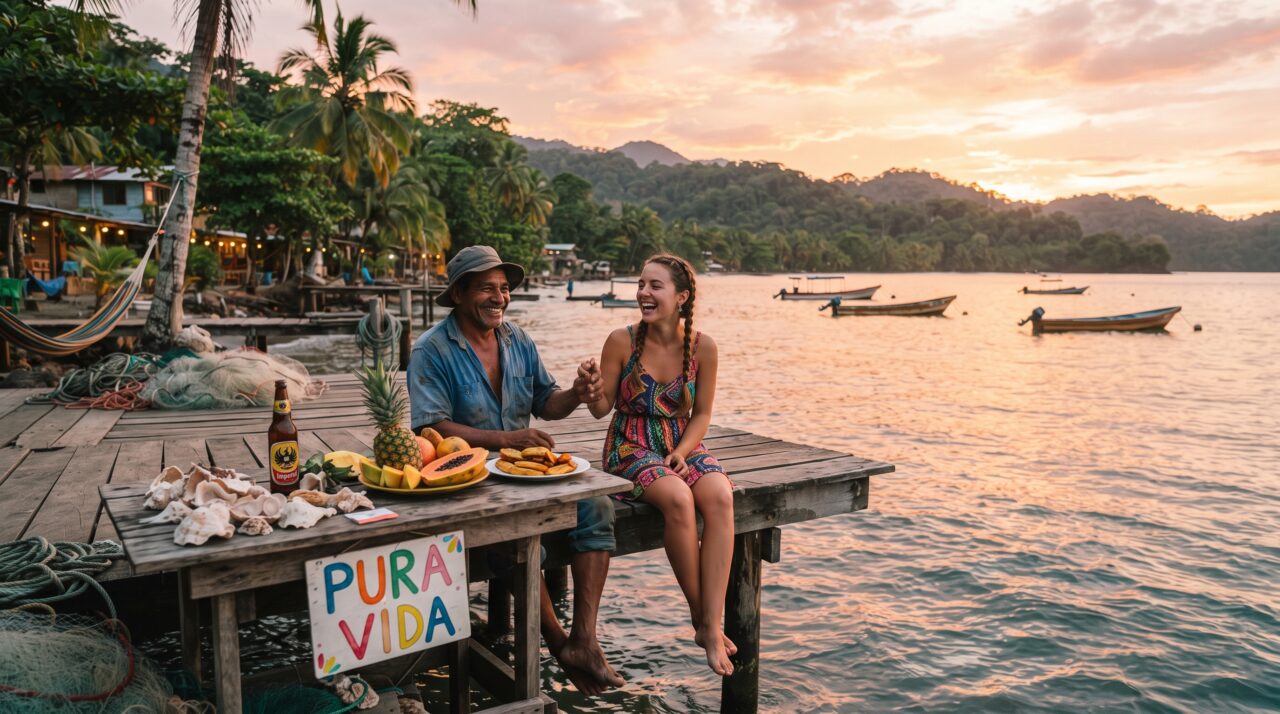
Beyond its physical landscapes, the cultural heartbeat of the nation pulses through a philosophy known universally as pura vida, which translates literally to pure life. Locals utilize this phrase not merely as a greeting or farewell, but as a guiding mindset that emphasizes gratitude, community harmony, and profound appreciation for the present moment.
Understanding this cultural cornerstone provides profound context when studying fun facts about costa rica, as it explains the remarkable happiness indices and high life satisfaction reported among the local population. Visitors quickly adopt this relaxed yet deeply appreciative perspective, finding that daily stresses melt away in the face of such infectious community warmth and genuine hospitality.
Astonishing Statistics on Renewable Energy Integration
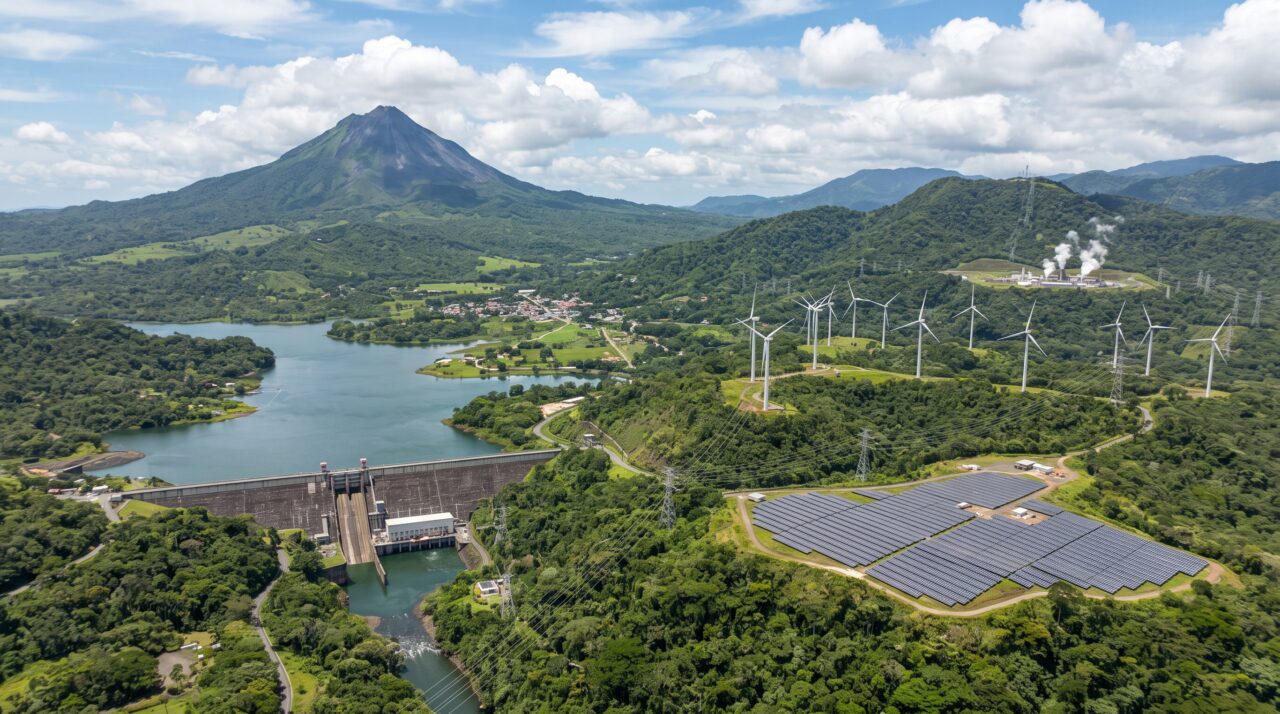
In an era grappling with severe climate change and global fossil fuel dependency, this Central American powerhouse serves as a shining international model for sustainable power generation. For consecutive years, the country has generated over ninety-eight percent of its electricity from renewable sources, including hydroelectric, geothermal, wind, biomass, and solar energy installations.
These groundbreaking achievements highlight various fun facts about costa rica regarding environmental stewardship, proving that robust economic development and uncompromising ecological preservation can coexist harmoniously. By committing to ambitious carbon-neutral goals and green infrastructure, the government continues to inspire larger industrialized nations to rethink and overhaul their domestic energy grids.
Protecting Biodiversity Through National Park Systems
The commitment to safeguarding natural habitats is institutionalized through an extensive, highly regulated system of national parks, biological reserves, and wildlife refuges covering over a quarter of the national territory. This forward-thinking conservation strategy ensures that pristine rainforests, cloud forests, and coastal mangroves remain undisturbed for scientific study and future generations.
Examining these protected areas within broader fun facts about costa rica showcases how legislative foresight can successfully reverse deforestation trends that plagued the region during the mid-twentieth century. Today, lush canopies flourish where cattle ranches and logging camps once stood, demonstrating nature’s incredible capacity for regeneration when given adequate legal protection and community support.
The Astonishing Microclimates Across Tiny Geographic Borders
Despite its relatively small geographic size, comparable to the state of West Virginia, the country boasts an astonishing array of distinct microclimates ranging from arid lowlands to chilly alpine peaks. Travelers can surf in warm Pacific waters in the morning and hike through misty, frost-kissed cloud forests by afternoon, all within a few hours of comfortable driving.
This meteorological variety is highlighted in many fun facts about costa rica, driven by dramatic elevation changes and the convergence of two major oceanic currents from different directions. Such diverse atmospheric conditions allow thousands of endemic plant and animal species to thrive in hyper-specific ecological niches found nowhere else on Earth.
Volcanic Landscapes and Geothermal Wonders
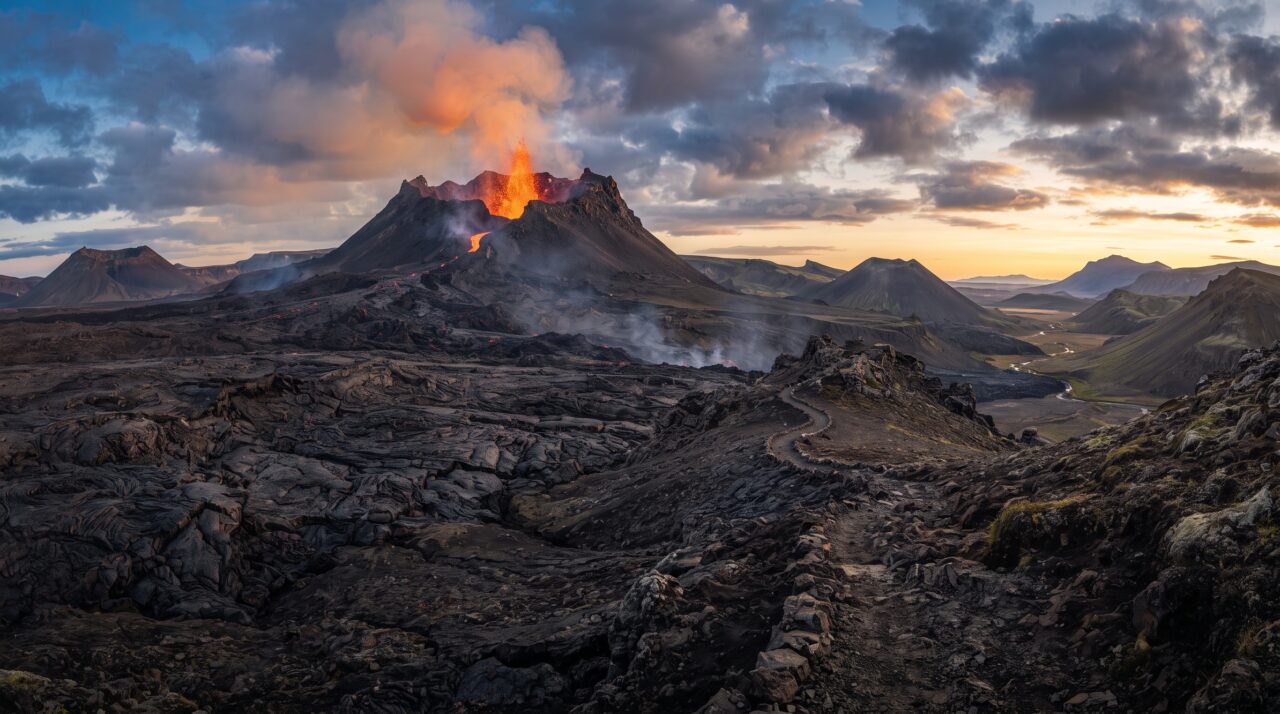
The geological foundation of the region features a dramatic chain of majestic volcanoes, several of which remain active and shape the surrounding agricultural valleys and national parks. Eruptions over millennia have deposited nutrient-rich volcanic ash across the soil, creating ideal conditions for growing world-class coffee and exotic tropical fruits.
Exploring these volcanic powerhouses provides endless fun facts about costa rica, particularly regarding geothermal energy utilization and subterranean mineral springs heated by subterranean chambers. Visitors can relax in natural hot springs heated directly by magma chambers while listening to the calls of toucans, parrots, and howler monkeys in the surrounding rainforest canopy.
Exploring the Rich History of Coffee Production
Coffee holds a legendary status in national history, serving as the primary economic engine that propelled early development and international trade relationships during the nineteenth century. Known locally as the golden bean, Costa Rican coffee gained global renown for its superior arabica beans cultivated painstakingly in high-altitude volcanic soil.
When compiling fun facts about costa rica, agricultural historians often note that it was the first Central American nation to establish a fully industrialized coffee export economy. Today, artisan roasters and sustainable farming cooperatives continue this proud tradition, prioritizing ethical labor practices, fair wages, and exceptional flavor profiles for global connoisseurs.
Wildlife Marvels Featuring Sloths and Resplendent Quetzals
The fauna inhabiting these tropical sanctuaries includes some of the most charismatic and elusive creatures found anywhere on the planet, capturing the fascination of wildlife photographers and conservationists. Two-toed and three-toed sloths move sluggishly through cecropia trees, while the dazzling emerald plumage of the resplendent quetzal mesmerizes birdwatchers in high-altitude cloud forest reserves.
Delving into fun facts about costa rica reveals that the country is home to four distinct species of monkeys, hundreds of vibrantly colored poison dart frog species, and millions of migratory butterflies. This remarkable animal density makes every jungle trek an unpredictable adventure filled with extraordinary wildlife encounters and unforgettable moments of discovery.
Marine Ecosystems and Surrounding Ocean Wealth
While terrestrial wonders receive much of the global acclaim, the marine territories spanning both the Pacific Ocean and the Caribbean Sea harbor equally breathtaking underwater ecosystems. Coral reefs, mangrove estuaries, and deep oceanic trenches support massive populations of sea turtles, manta rays, humpback whales, and hammerhead sharks.
Conservation efforts extend directly into these aquatic realms, a vital detail among fun facts about costa rica, highlighted by strict regulations governing commercial fishing and designated marine protected zones. Cocos Island, located hundreds of kilometers off the mainland coast, serves as a world-renowned sanctuary for pelagic shark diving and crucial marine research.
Cultural Traditions and Local Architectural Styles
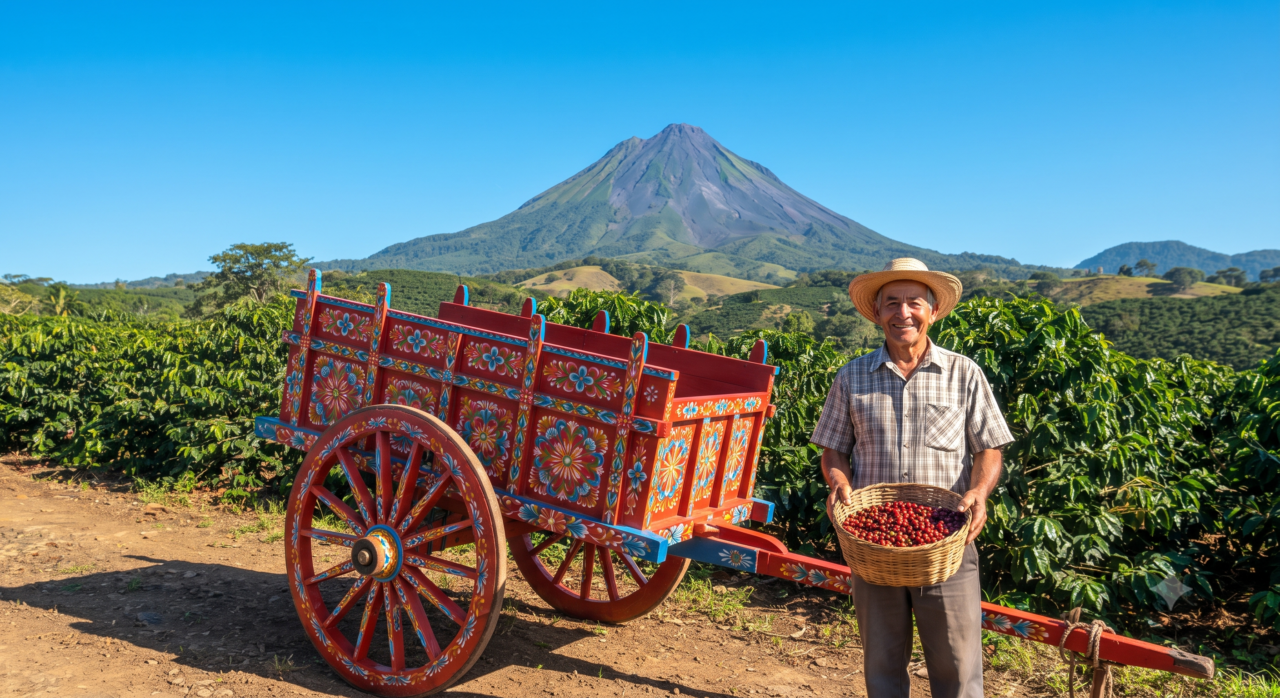
Traditional culture reflects a unique blend of indigenous heritage, Spanish colonial influence, and Afro-Caribbean flavors, creating a vibrant mosaic of music, dance, and art. Artisanal painted oxcarts, known as carretas, represent a UNESCO-recognized cultural heritage symbol adorned with intricate geometric patterns and bright floral motifs.
Documenting cultural fun facts about costa rica uncovers how these colorful oxcarts historically served as essential transport vehicles for hauling coffee harvests down rugged, muddy mountain trails to coastal ports. Today, master artisans preserve this fading craft through meticulous hand-painting techniques passed down lovingly through multiple generations.
Linguistic Nuances and Regional Dialect Quirks
The Spanish spoken in this region possesses distinct melodic cadences and unique vocabulary sets that differentiate it from neighboring Latin American countries and standard peninsular Spanish. Locals, proudly referring to themselves as ticos or ticas, frequently append diminutive suffixes to words to express affection or emphasize intimacy rather than literal smallness.
Linguistic analysts studying fun facts about costa rica often highlight the widespread use of the phrase pura vida in everyday conversations, replacing standard greetings like goodbye, hello, or thank you. This linguistic warmth fosters an immediate sense of inclusion and friendliness for visitors attempting to converse with residents in local markets and cafes.
Comprehensive Comparative Analysis of Costa Rican Regions
The country is divided into seven distinct provinces, each offering unique geographical features, economic drivers, and cultural identities that shape the national travel experience. From the bustling metropolitan capital of San Jose to the remote, untamed rainforests of the southern Osa Peninsula, regional variations provide immense diversity for travelers and researchers.
The table below illustrates key developmental and ecological characteristics across major geographic zones, providing clear insights into how regional dynamics contribute to overall national success and sustainability metrics.
| Region / Province | Primary Ecosystem | Main Economic Driver | Notable Wildlife |
| Central Valley | High-altitude valleys | Coffee & Technology | Rufous-tailed Hummingbirds |
| Guanacaste | Tropical Dry Forest | Beach Tourism & Cattle | Howler Monkeys & Iguanas |
| Limón | Caribbean Rainforest | Banana Exports & Culture | Green Sea Turtles & Sloths |
| Puntarenas | Marine & Mangroves | Ecotourism & Fishing | Humpback Whales & Macaws |
| Alajuela | Volcanic Highlands | Hydroelectricity & Agriculture | Quetzals & Toucans |
Economic Growth Tied to Ecotourism Initiatives
Economic modernization over recent decades has successfully transitioned the national identity from an agrarian society to a high-tech manufacturing and ecotourism powerhouse. Multinational corporations and sustainable tourism operators alike flock to the region, drawn by a highly educated workforce, political stability, and robust environmental infrastructure.
Analyzing economic fun facts about costa rica demonstrates how prioritizing environmental conservation successfully drives financial prosperity rather than hindering industrial progress. Local communities directly benefit from eco-lodges, guided jungle tours, and sustainable agriculture cooperatives that retain capital within grassroots economies rather than leaking funds abroad.
Culinary Delights Centered Around Indigenous Crops
Traditional gastronomy emphasizes fresh, locally sourced ingredients, utilizing nutritional staples like black beans, rice, corn, plantains, and tropical fruits in comforting daily dishes. Gallo pinto, a flavorful mixture of rice and beans seasoned with onions, sweet peppers, and local salsa lizano, serves as the quintessential breakfast dish enjoyed across all social strata.
Culinary traditions embedded within fun facts about costa rica reflect a healthy, balanced lifestyle that contributes to high national life expectancy rates and low obesity numbers among residents. Fresh fruit juices, known locally as refrescos naturales, provide refreshing hydration made from daily tropical harvests like papaya, passion fruit, mango, and guanabana.
Innovative Conservation Funding Mechanisms
Pioneering environmental policies include world-first financial mechanisms where landowners receive direct payments for ecosystem services, effectively incentivizing reforestation and permanent carbon sequestration. Funded partially by domestic fuel taxes and international carbon grants, this program rewards citizens for maintaining natural tree cover on their private property.
This economic model is frequently cited in global conservation fun facts about costa rica as a brilliant blueprint for turning nature protection into a profitable enterprise for local citizens. Instead of viewing forests as timber resources to be cleared, landowners realize tangible financial returns by keeping their ecosystems alive, thriving, and structurally intact.
Educational Milestones and High Literacy Rates
A historic turning point occurred in nineteen forty-eight when the nation made the monumental decision to constitutionally abolish its standing army, redirecting those defense funds entirely into universal healthcare and education. This bold political maneuver eradicated illiteracy, creating a sophisticated citizenry equipped to tackle modern technological and scientific challenges.
Educational achievements highlighted in fun facts about costa rica underscore a literacy rate hovering near ninety-eight percent, ranking among the highest in Latin America and rivaling developed nations. Public universities and vocational training centers produce top-tier engineers, biologists, and educators who drive the nation’s innovation economy forward into the future.
Celebrating Festivals and Vibrant Community Gatherings
Cultural vibrancy shines brightest during traditional festivals, religious celebrations, and civic holidays marked by colorful parades, energetic marimba music, and traditional folk dances. Events like the National Lantern Parade on Independence Eve illuminate streets nationwide as children carry handmade paper lanterns symbolizing the historic journey for national freedom.
Examining festive traditions alongside fun facts about costa rica reveals a deep-seated national pride and a strong sense of community cohesion that unites families across generations. These joyful gatherings reinforce shared cultural values and offer visitors an immersive glimpse into authentic local life away from standard tourist resorts.
Unique Geographic Positioning Between Two Oceans
The bridge-like topography connecting North and South America creates a narrow land corridor bordered by both the expansive Pacific Ocean and the azure Caribbean Sea. This strategic geographic position has historically facilitated the migration of flora and fauna between two massive continents, enriching local biodiversity beyond measure.
Geographical fun facts about costa rica often emphasize how narrow the country is at certain points, allowing travelers to witness both sunrise over the Caribbean and sunset over the Pacific within a single day. This unique positioning makes it a logistical paradise for international explorers seeking varied experiences in one compact, easily navigable trip.
Expert Perspectives on Sustainable Development
Renowned environmental scientists and policy advisors frequently praise the nation’s steadfast dedication to balancing human needs with ecological preservation and climate resilience. Leading conservationist Dr. Carlos Manuel Rodriguez once remarked that protecting nature is not an act of charity, but a prerequisite for human survival and economic viability.
Incorporating expert insights into fun facts about costa rica reinforces the idea that visionary leadership can overcome modern ecological crises through pragmatic policy implementation. The global community continues to study these successful initiatives in hopes of replicating similar sustainable frameworks in other vulnerable regions worldwide.
Conclusion and Final Thoughts on Central America’s Gem
Costa Rica proves that a nation’s true wealth lies not in mineral extraction or military might, but in the health of its ecosystems, the happiness of its people, and the wisdom of its governance. From lush cloud forests and volcanic peaks to the infectious warmth of pura vida, every facet of this tropical republic offers profound inspiration.
As global travelers seek meaningful experiences that respect local cultures and protect natural habitats, exploring fun facts about costa rica serves as an ideal starting point for understanding a truly exceptional country. Whether planning an adventurous jungle expedition or a peaceful beach retreat, this biodiverse paradise promises memories that last a lifetime.
Frequently Asked Questions
Why did Costa Rica abolish its army?
In nineteen forty-eight, following a brief civil war, President Jose Figueres Ferrer abolished the standing military to promote peace and redirect funds toward education and healthcare, which remains one of the most remarkable fun facts about costa rica.
Is Costa Rica truly carbon neutral?
The nation generates over ninety-eight percent of its electricity from renewable sources and has implemented aggressive reforestation campaigns, making it a global leader in sustainability and a focal point for fun facts about costa rica.
What does the phrase Pura Vida mean?
Pura vida translates literally to pure life and is used by locals as a greeting, expression of gratitude, and a philosophical reminder to appreciate simplicity and joy, deeply woven into fun facts about costa rica.
How diverse is the wildlife in Costa Rica?
Covering a tiny fraction of the Earth’s surface, the country harbors nearly six percent of global biodiversity, housing sloths, toucans, monkeys, and thousands of plant species discussed in fun facts about costa rica.
Can you see both oceans in one day?
Due to its narrow width, travelers can easily cross the country from the Caribbean coast to the Pacific Ocean within a few hours, a geographic highlight frequently featured in fun facts about costa rica.
Read more Red Potato Salad Recipe: The Ultimate Guide to a Perfect Creamy Side Dish