
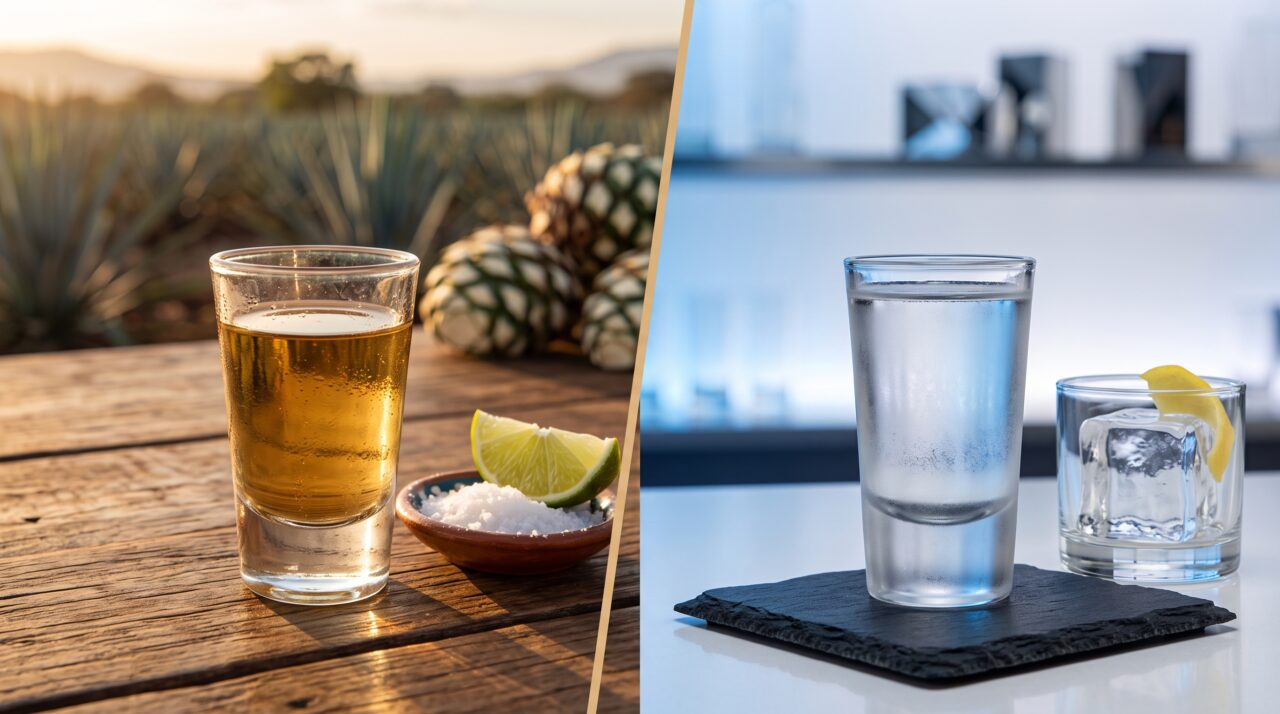

When comparing tequila vs vodka, most people focus on taste. However, the differences go much deeper than flavor alone. These two iconic spirits come from entirely different raw materials, follow unique production methods, and deliver distinct drinking experiences that appeal to different audiences.
Whether you’re choosing a bottle for cocktails, evaluating calorie content, exploring premium spirits, or simply trying to understand what separates these popular liquors, this guide provides a complete breakdown. By the end, you’ll have a clear understanding of which spirit best fits your preferences, occasions, and drinking style.
Understanding the Core Difference Between Tequila and Vodka
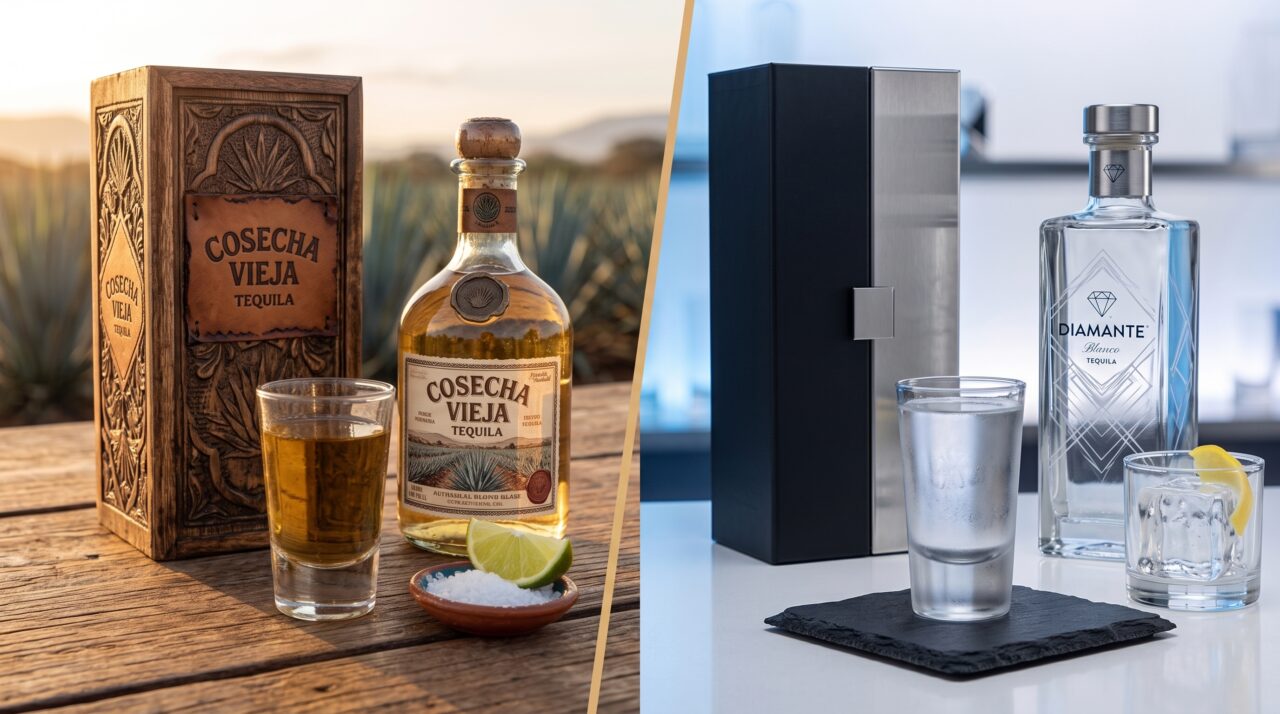
The most important distinction in the tequila vs vodka debate is origin. Tequila is a regulated Mexican spirit made exclusively from blue Weber agave, while vodka can be produced from a wide variety of fermentable ingredients including grains, potatoes, corn, wheat, and even grapes.
Because the base ingredients are so different, the final products express very different personalities. Tequila often highlights earthy, vegetal, citrus, peppery, and herbal notes, while vodka is intentionally distilled to achieve a cleaner and more neutral flavor profile that blends easily into countless mixed drinks.
How Tequila and Vodka Are Produced
Tequila production begins with harvesting mature agave plants, often after six to ten years of growth. The agave hearts, known as piñas, are cooked, crushed, fermented, distilled, and sometimes aged in oak barrels. Every step contributes flavor and complexity to the final spirit.
Vodka production follows a different philosophy. Producers ferment starches or sugars, distill the liquid multiple times, and often filter it through charcoal or other materials. The goal is usually purity and smoothness rather than preserving strong ingredient-driven flavors, making vodka one of the most versatile spirits in the world.
Flavor Profile and Drinking Experience
For many consumers, taste is the deciding factor in the tequila vs vodka discussion. Tequila typically offers noticeable character, ranging from fresh citrus and black pepper notes in blanco tequila to caramel, vanilla, oak, and spice in aged expressions such as reposado and añejo.
Vodka tends to be cleaner and more subtle. While premium vodkas can reveal delicate hints of grain, creaminess, minerality, or pepper, most are designed to stay relatively neutral. This neutrality makes vodka appealing to drinkers who prefer a spirit that supports other ingredients rather than dominating them.
Types and Styles Available
Tequila is categorized into several recognized styles. Blanco tequila is generally unaged and showcases pure agave character. Reposado spends time in barrels, adding softness and oak influence. Añejo and extra añejo tequilas mature longer, developing richer and more layered flavor profiles.
Vodka styles are less dependent on aging and more influenced by ingredients, distillation techniques, and filtration methods. Wheat vodka, rye vodka, potato vodka, and corn vodka can each present subtle differences in mouthfeel and texture, though the category remains considerably more restrained than tequila in terms of flavor variation.
Alcohol Content, Calories, and Nutrition
When evaluating tequila vs vodka from a nutritional perspective, the differences are smaller than many people expect. Most standard bottlings contain approximately 40% alcohol by volume, although higher-proof versions exist in both categories.
The table below highlights common comparisons based on a standard 1.5-ounce serving.
| Factor | Tequila | Vodka |
|---|---|---|
| Typical ABV | 40% | 40% |
| Average Calories | 95–105 | 95–100 |
| Carbohydrates | Usually 0g | Usually 0g |
| Sugar | Usually 0g | Usually 0g |
| Gluten-Free Status | Naturally gluten-free | Depends on production but often considered gluten-free after distillation |
| Common Serving Style | Sipped or mixed | Mostly mixed, sometimes neat |
Because calories primarily come from alcohol itself, neither spirit holds a dramatic advantage. The biggest nutritional differences usually come from mixers, syrups, juices, and cocktail ingredients rather than the base spirit.
Popular Cocktails and Mixing Potential
Cocktail versatility is another major factor in the tequila vs vodka comparison. Vodka serves as the foundation for classics such as the Moscow Mule, Cosmopolitan, Bloody Mary, Screwdriver, and Vodka Martini. Its neutral profile allows other ingredients to shine.
Tequila brings more personality into mixed drinks. Margaritas, Palomas, Tequila Sunrises, Ranch Waters, and modern agave-based cocktails rely on tequila’s distinctive character. Rather than disappearing into the drink, tequila often acts as a defining flavor component that shapes the entire experience.
Premium Spirits and Sipping Quality
The premium spirits market has transformed perceptions of tequila over the last two decades. High-quality artisanal tequilas are now frequently enjoyed neat, much like fine whiskey or cognac. Complex aging programs and traditional production methods have elevated tequila into a respected sipping category.
Vodka has also experienced premiumization, though the focus tends to center on smoothness, purity, filtration techniques, water sources, and texture. Luxury vodka brands often emphasize craftsmanship and refinement rather than bold flavor, appealing to consumers who value elegance and subtlety.
Cultural Significance and Global Popularity
Understanding tequila vs vodka also requires examining cultural identity. Tequila is deeply connected to Mexican heritage, agriculture, and regional tradition. Protected designation rules ensure that authentic tequila can only be produced in approved regions of Mexico under strict standards.
Vodka carries a similarly powerful cultural legacy in Eastern Europe and parts of Northern Europe. Countries such as Poland, Russia, Sweden, and Finland have long histories of vodka production, and the spirit remains a central part of many social and culinary traditions around the world.
Which Spirit Is Better for Different Occasions?
The answer to tequila vs vodka often depends on context rather than quality. If you’re hosting a party with a wide range of cocktail preferences, vodka’s flexibility makes it an easy crowd-pleaser. It works seamlessly with fruit juices, sodas, tonic water, and specialty mixers.
Tequila may be the stronger choice when flavor matters. It can elevate simple cocktails with complexity and character, making it attractive for enthusiasts who appreciate distinctive spirits. Many consumers who enjoy whiskey, mezcal, or craft cocktails often find themselves drawn toward tequila’s expressive nature.
Health Perceptions and Common Misconceptions
Many myths surround tequila vs vodka, especially regarding hangovers and health benefits. Scientific evidence suggests that factors such as alcohol quantity, hydration, sleep quality, and overall drinking behavior play much larger roles than the specific spirit chosen.
One common misconception is that tequila automatically causes fewer negative effects than vodka. While some people report different personal experiences, research generally indicates that responsible consumption habits matter far more than choosing one clear spirit over another.
Price, Value, and Buying Considerations
The value equation in tequila vs vodka varies significantly across price tiers. Entry-level vodkas are often affordable and consistent, making them attractive for large gatherings and everyday cocktail use. The category offers strong options across virtually every budget range.
Tequila prices can rise more quickly due to agave cultivation costs, aging requirements, and production regulations. However, premium tequila frequently delivers a more distinctive tasting experience. Buyers seeking flavor complexity may find greater value in a well-crafted tequila than in a similarly priced vodka.
Expert Perspective on Choosing Between Them
Industry professionals often emphasize matching the spirit to the desired experience rather than searching for a universal winner. As many bartenders note, “The best spirit is the one that suits the drink and the person drinking it.”
That perspective captures the essence of the tequila vs vodka debate. One spirit is not inherently superior to the other. Instead, each excels in different situations, serving different preferences and delivering unique strengths that appeal to different drinkers.
Tequila vs Vodka: Final Verdict
After examining production methods, flavor profiles, nutrition, cocktails, cultural significance, and value, the tequila vs vodka question becomes less about which spirit is objectively better and more about what you want from your drink. Tequila offers identity, character, and complexity, while vodka delivers versatility, neutrality, and broad mixability.
For adventurous drinkers who enjoy distinctive flavors, tequila often provides a richer experience. For those seeking flexibility and simplicity in cocktails, vodka remains difficult to beat. Understanding these differences allows consumers to make informed choices and appreciate each spirit on its own merits.
Read more Anxiety Relief Techniques: Best Guide to Calming Your Mind and Body
FAQ
Is tequila stronger than vodka?
In most cases, no. Both spirits are commonly bottled at around 40% ABV, making the strength difference in the tequila vs vodka comparison minimal.
Which has more calories, tequila or vodka?
The calorie difference is usually very small. A standard serving of either spirit typically contains around 95 to 105 calories.
Is tequila healthier than vodka?
Neither spirit can be considered healthy. In the tequila vs vodka discussion, moderation and responsible consumption matter far more than the specific spirit selected.
Which tastes better, tequila or vodka?
Taste is subjective. Tequila offers bold agave-driven flavors, while vodka provides a cleaner and more neutral drinking experience.
Is tequila better for cocktails than vodka?
It depends on the cocktail. Tequila adds character and complexity, while vodka offers flexibility and allows mixers to take center stage.
Can tequila and vodka be sipped neat?
Yes. Premium tequilas are often enjoyed neat, and high-end vodkas can also be consumed without mixers, particularly when chilled.
Why is tequila often more expensive than vodka?
Agave cultivation takes years, and tequila production is heavily regulated. These factors can increase costs compared with many vodka production methods.