
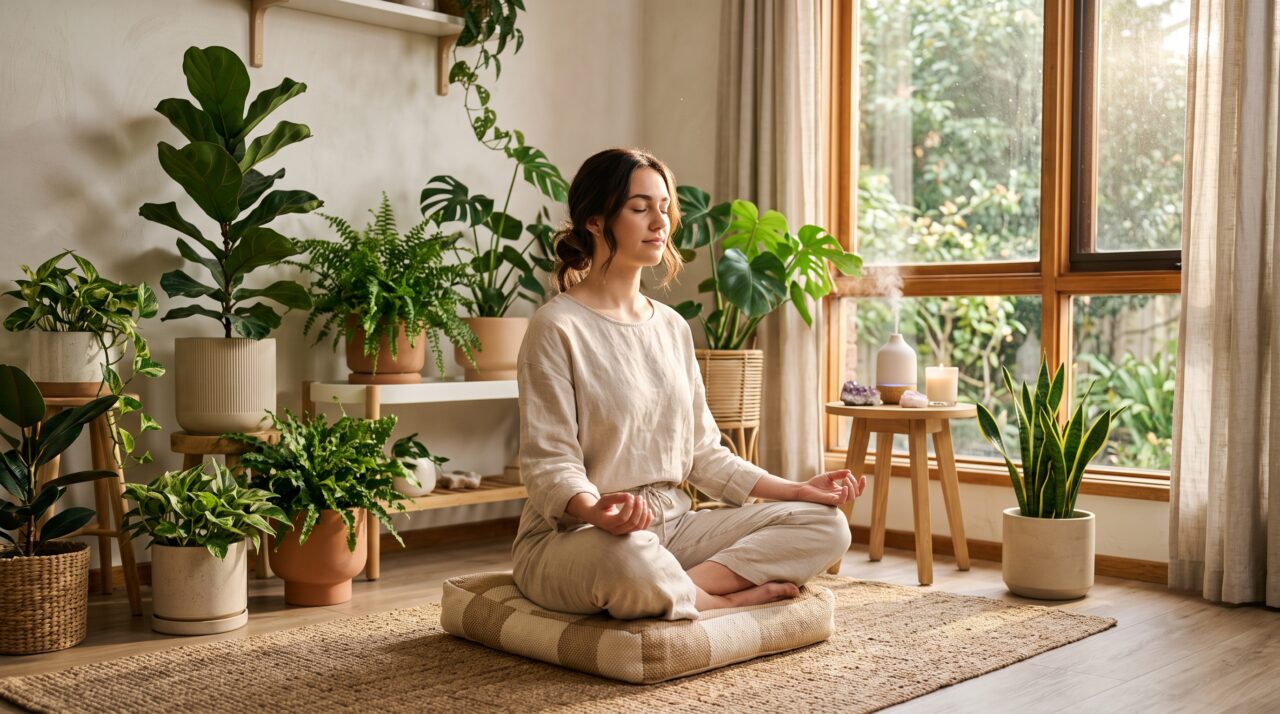

Anxiety has a way of showing up uninvited, tightening your chest before a meeting or keeping your mind racing at 2 a.m. The good news is that effective anxiety relief techniques exist, and most of them are simpler than people expect. This guide walks through the methods that genuinely help, why they work, and how to build them into a life that already feels full.
Understanding Anxiety Before You Try to Manage It
Anxiety is not a flaw in your character; it is a survival mechanism that has become oversensitive to modern stress. Your nervous system reacts to a looming deadline the same way it once reacted to physical danger, flooding your body with cortisol and adrenaline even when there is nothing to run from. Recognizing this pattern is the first step toward any anxiety relief techniques actually taking hold, because you stop fighting the feeling and start responding to it with intention.
Many people jump straight to solutions without understanding what is happening inside their bodies, which often leads to frustration when quick fixes fail. Anxiety shows up differently for everyone, sometimes as physical tension, sometimes as spiraling thoughts, and sometimes as both at once. Once you can name what your anxiety looks like, you are far better positioned to choose techniques that match your specific experience rather than generic advice that misses the mark.
The Science Behind Why These Methods Work
Every effective strategy for calming anxiety shares a common thread: it interrupts the stress response by engaging the parasympathetic nervous system, the part of your body responsible for rest and recovery. Research from institutions like Harvard Medical School has consistently shown that practices such as controlled breathing and mindfulness measurably lower cortisol levels within minutes. This is precisely why so many anxiety relief techniques center on the breath, the body, or focused attention, since these are the fastest levers available to shift your physiological state.
Understanding this science matters because it removes the guesswork. Instead of wondering whether a technique is “working,” you can trust that slowing your heart rate or grounding your senses is doing real, measurable work beneath the surface. This evidence-based foundation is what separates lasting anxiety relief techniques from fleeting trends, and it is why professionals continue to recommend the same core set of tools decade after decade.
Breathing Exercises That Calm the Body Fast
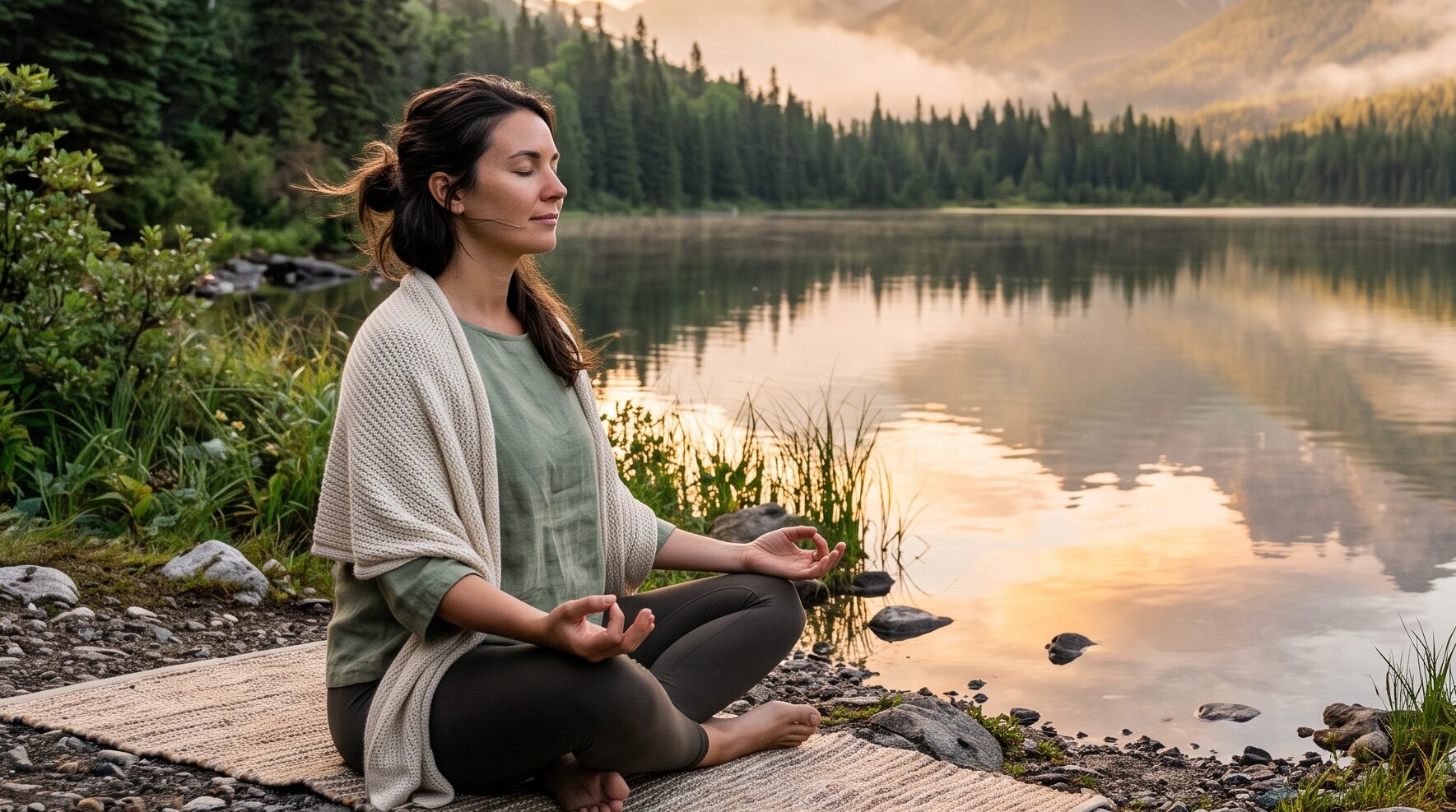
Breathwork remains one of the most accessible anxiety relief techniques because it requires no equipment, no privacy, and almost no time. The 4-7-8 method, where you inhale for four counts, hold for seven, and exhale for eight, activates the vagus nerve and signals safety to your brain within a single cycle. Box breathing, favored by military and medical professionals alike, follows a similar principle by creating a steady rhythm that pulls attention away from racing thoughts.
What makes breathing exercises so valuable is their portability; you can use them in a car, before a presentation, or lying awake in bed. A financial analyst I once spoke with described using slow exhalation techniques during high-stakes client calls, noting that colleagues had no idea anything was happening beneath his calm exterior. That kind of discretion is part of what makes breath-based anxiety relief techniques so widely recommended by therapists today.
Cognitive Strategies to Quiet Racing Thoughts
Cognitive behavioral approaches focus on the stories your mind tells during anxious moments, many of which are exaggerated or entirely untrue. Thought reframing, a core technique in cognitive behavioral therapy, asks you to challenge catastrophic predictions with a simple question: what evidence actually supports this fear? Over time, this practice rewires automatic thought patterns and reduces the intensity of future anxious spirals.
Journaling serves as a practical companion to reframing, giving anxious thoughts a place to land outside of your head. Writing down a worry often reveals how small or unlikely it truly is once it is no longer looping internally. Among cognitive-based anxiety relief techniques, this combination of reframing and writing tends to produce the most durable shifts in how people relate to their own thinking.
Physical Movement as a Release Valve
Anxiety often accumulates in the body as literal muscle tension, and movement offers a direct way to discharge it. Progressive muscle relaxation, where you tense and release each muscle group in sequence, teaches your body the felt difference between stress and ease. Even brief walks outdoors have been shown to lower anxious arousal by combining light exercise with a change in environment and natural light exposure.
Exercise does not need to be intense to be effective; in fact, gentle, repetitive movement like stretching or swimming often works better for anxiety than high-intensity training, which can occasionally mimic the physical sensations of panic. This is why fitness-based anxiety relief techniques are typically most successful when they prioritize consistency over intensity. A short daily walk will outperform an occasional exhausting workout nearly every time.
Mindfulness and Meditation for Present-Moment Calm
Mindfulness works by pulling attention away from anxious forecasting about the future and back into the sensory reality of right now. A simple five-senses grounding exercise, where you name what you can see, hear, touch, smell, and taste, interrupts spiraling thoughts almost immediately. Guided meditation apps have made this practice more accessible than ever, offering short sessions that fit into even the busiest schedules.
Consistency matters more than duration when it comes to meditation-based practice. A clinical psychologist once explained the appeal simply:
“The goal isn’t to empty your mind. It’s to notice when it wanders and gently bring it back, again and again, without judgment.”
That single habit of noticing and returning is at the heart of many mindfulness-based anxiety relief techniques, and it becomes easier with repetition rather than perfection.
Lifestyle Habits That Reduce Baseline Anxiety

Sleep, nutrition, and caffeine intake quietly shape your baseline anxiety levels long before any specific technique comes into play. Poor sleep in particular amplifies the amygdala’s reactivity, making ordinary stressors feel disproportionately threatening the next day. Reducing caffeine after early afternoon and maintaining a consistent sleep schedule can noticeably lower the frequency of anxious spikes over just a few weeks.
Nutrition plays a similarly underrated role, with stable blood sugar helping to prevent the jittery, irritable feelings that mimic or worsen anxiety symptoms. Small, consistent meals tend to serve people better than skipping meals and overeating later. These lifestyle-based anxiety relief techniques rarely get the spotlight, yet they form the foundation that makes every other strategy work more effectively.
Managing Anxiety in High-Pressure Work Environments
Workplace anxiety often stems from a mix of deadlines, social evaluation, and a lack of control over one’s schedule. Micro-breaks, even just ninety seconds of stepping away from a screen to breathe deliberately, can prevent stress from compounding across a demanding day. Setting boundaries around email and after-hours messages also reduces the low-grade anticipatory anxiety that builds when your nervous system never fully powers down.
Many workplaces are beginning to recognize this, incorporating quiet rooms or flexible scheduling as part of broader wellness initiatives. Employees who proactively use anxiety relief techniques during the workday, rather than waiting until symptoms peak, tend to report better focus and fewer burnout symptoms overall. Building small resets into your calendar can be more sustainable than relying on willpower alone.
Comparing Popular Anxiety Relief Techniques at a Glance
Choosing the right method often depends on how much time you have and where your anxiety tends to show up. Some techniques work best for sudden spikes, while others are better suited to lowering anxiety over the long term. The table below breaks down several widely used approaches by speed, effort, and ideal use case.
| Technique | Time Needed | Best For | Effort Level |
|---|---|---|---|
| 4-7-8 Breathing | 1-3 minutes | Sudden panic or racing heart | Low |
| Progressive Muscle Relaxation | 10-15 minutes | Physical tension, bedtime anxiety | Moderate |
| Thought Reframing | 5-10 minutes | Persistent worry loops | Moderate |
| Grounding (5 senses) | 2-5 minutes | Dissociation, overwhelm | Low |
| Daily Walking | 20-30 minutes | Baseline stress reduction | Moderate |
| Meditation Apps | 5-20 minutes | Long-term emotional regulation | Low to Moderate |
This comparison shows that no single method needs to carry the full weight of managing your anxiety. Layering a quick technique for acute moments with a slower, longer-term practice tends to produce the most balanced and sustainable results.
Common Misconceptions Worth Clearing Up
One persistent myth is that anxiety relief techniques are only meant for people with diagnosed anxiety disorders, when in reality they benefit anyone experiencing everyday stress. Another misconception is that these methods should eliminate anxiety entirely; the more realistic goal is reducing its intensity and duration so it no longer controls your decisions. Expecting total elimination often leads people to abandon useful tools simply because they did not deliver an unrealistic outcome.
There is also a common belief that willpower alone should be enough to “snap out of it,” which ignores the physiological reality of the stress response. Anxiety is a bodily experience as much as a mental one, and treating it purely as a mindset issue overlooks half the picture. Recognizing these misconceptions helps people approach anxiety relief techniques with patience rather than frustration when results take time to appear.
When Professional Support Becomes Necessary
Self-guided strategies help enormously, but they are not a substitute for professional care when anxiety becomes persistent or overwhelming. Therapists trained in cognitive behavioral therapy or exposure-based methods can tailor interventions in ways that generic techniques cannot always match. Medication, when prescribed appropriately, can also work alongside behavioral strategies rather than replacing them entirely.
Signs that suggest it may be time to seek support include anxiety that interferes with work, relationships, or sleep on a regular basis. A licensed provider can help determine whether an anxiety disorder is present and design a plan that fits your specific situation. Combining professional guidance with personal anxiety relief techniques often produces the most complete and lasting results.
Bringing It All Together
Anxiety relief does not require a single perfect method; it requires a flexible toolkit you can draw from depending on the moment. Some days call for a few slow breaths before a meeting, while others call for a longer walk or an honest conversation with a therapist. What matters most is consistency, self-compassion, and a willingness to experiment until you find what genuinely fits your life.
Building this kind of toolkit takes time, but every small practice adds up to a nervous system that recovers faster and reacts less intensely. The most sustainable anxiety relief techniques are the ones you actually use, not the ones that look impressive on paper. Start small, stay consistent, and let the results build gradually rather than expecting immediate transformation.
Read more How to Make Gluten Free Sourdough Starter: The Complete Beginner’s Guide
Frequently Asked Questions
What are the fastest anxiety relief techniques for sudden panic?
Breathing exercises like the 4-7-8 method and grounding techniques using your five senses tend to work within minutes. These anxiety relief techniques are specifically designed to interrupt acute physical stress responses quickly.
Can anxiety relief techniques replace therapy or medication?
They can significantly reduce day-to-day symptoms, but they are not a replacement for professional treatment when anxiety is persistent or severe. Many people find the best results by combining anxiety relief techniques with therapy or medical guidance.
How long does it take for anxiety relief techniques to start working?
Some techniques, like controlled breathing, offer noticeable relief within a single session. Others, such as meditation or lifestyle changes, typically take several weeks of consistent practice to produce lasting results.
Are anxiety relief techniques different for kids and adults?
The core principles are similar, but techniques for children are often simplified, using games or visual cues to teach breathing and grounding skills. Adults can typically use more abstract cognitive strategies like thought reframing alongside physical methods.
What anxiety relief techniques work best for workplace stress?
Micro-breaks, brief breathing resets, and setting clear boundaries around after-hours communication tend to be the most practical anxiety relief techniques for demanding work environments. Consistency throughout the day matters more than one long break.
Is exercise really one of the effective anxiety relief techniques?
Yes, particularly low to moderate intensity movement like walking or stretching, which lowers cortisol without triggering the physical sensations that can sometimes mimic panic. Regular movement remains one of the most well-supported anxiety relief techniques available.