
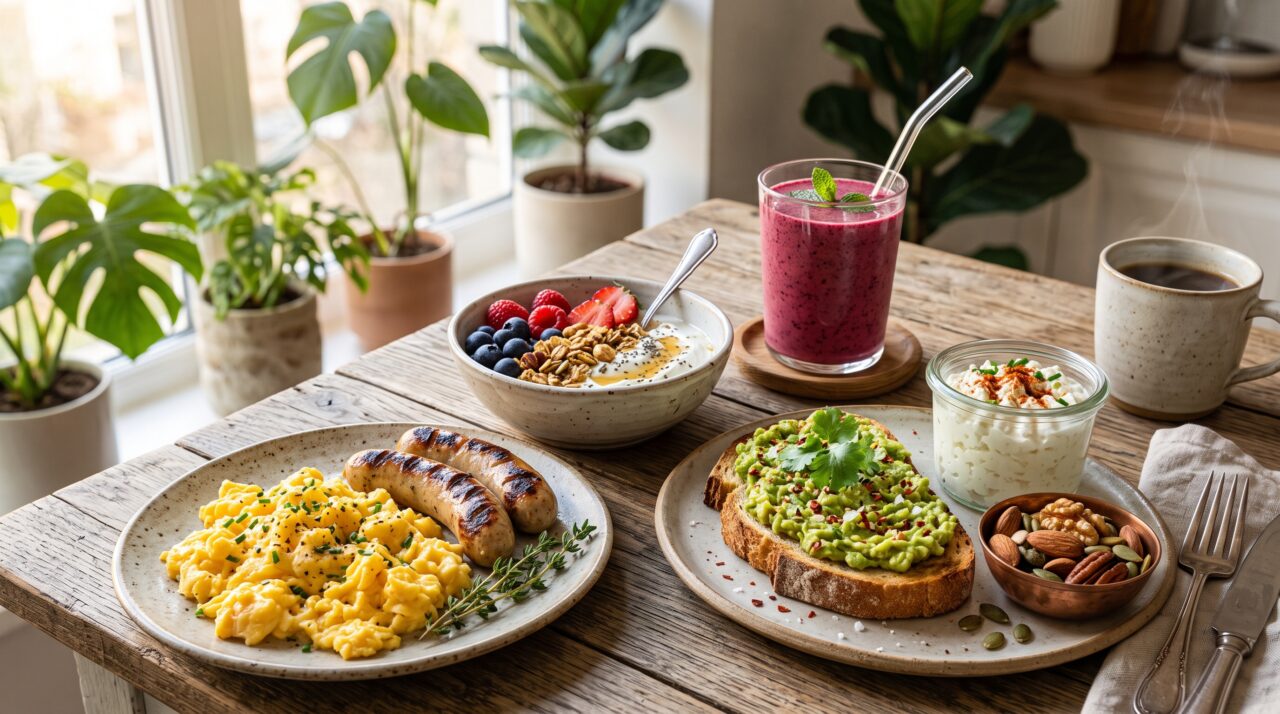

Mornings move fast, and breakfast is usually the first thing to get rushed or skipped altogether. Yet the right high protein breakfast ideas can change how the rest of your day feels, from steadier energy levels to fewer mid-morning cravings that send you straight to the vending machine. This guide is built around practical, real-world meals rather than vague nutrition advice, drawing on both nutrition science and the everyday logistics of actually getting a meal on the table before you’re out the door.
We’ll cover egg-based dishes, dairy and yogurt options, plant-based choices, meal prep strategies, and how to balance protein with the rest of your plate. Whether you’re cooking for one or feeding a whole household before the school run, you’ll walk away with ideas you can actually use tomorrow morning, along with a clearer sense of why some breakfasts keep you full for hours while others leave you hungry before ten o’clock.
Why High Protein Breakfast Ideas Matter for Your Day
Breakfast sets the metabolic tone for the hours that follow, and protein plays a particularly important role in that process. Meals built around adequate protein tend to promote a stronger sense of fullness compared to carbohydrate-heavy alternatives, which is one reason high protein breakfast ideas have become such a popular search topic among people trying to manage hunger and energy throughout the morning, from students to shift workers to parents juggling a packed schedule.
There’s also a practical, everyday angle here. A breakfast that keeps you satisfied until lunch means fewer impulsive snack decisions and less reliance on caffeine to push through a mid-morning slump. That’s the real value of prioritizing protein at breakfast: it’s not about a single nutrient in isolation, but about how it shapes the rest of your day.
What Counts as a High Protein Breakfast
Not every meal marketed as “protein-packed” actually delivers a meaningful amount. As a general guideline, nutrition professionals often consider a breakfast high in protein when it provides somewhere in the range of twenty to thirty grams, though individual needs vary based on body size, activity level, and overall daily goals. A single fried egg on toast, for example, falls well short of that mark on its own, even though it might feel like a reasonably substantial meal at a glance.
Understanding this baseline helps you evaluate recipes and products more critically. Many popular protein-rich breakfast combinations pair two or three protein sources, such as eggs with cottage cheese or Greek yogurt layered with a scoop of protein powder, specifically to reach a more substantial total rather than relying on a single ingredient to do all the work. This layering approach is worth remembering the next time a recipe looks impressive but only lists one modest protein source.
Egg-Based Ideas for a Protein-Rich Morning
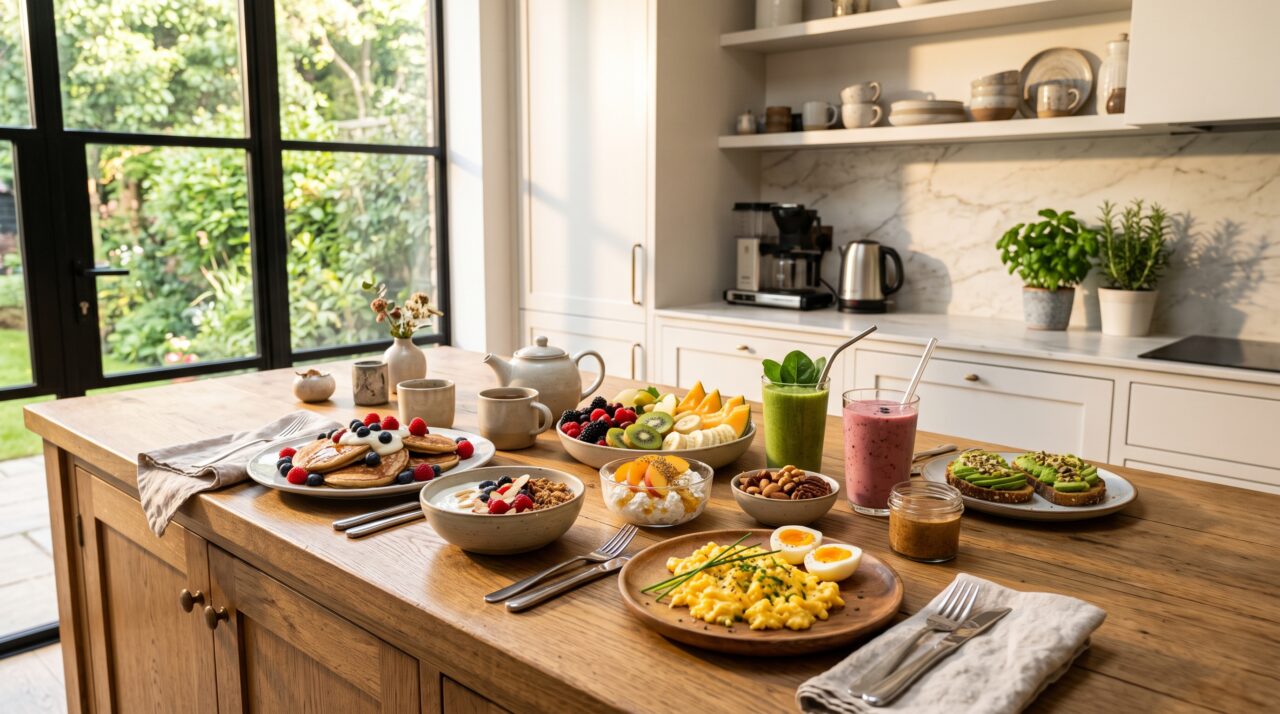
Eggs remain one of the most versatile and accessible tools for building a protein-forward morning meal. A three-egg scramble mixed with spinach and a sprinkle of cheese delivers a satisfying, savory option in under ten minutes, and it’s easy to customize with whatever vegetables happen to be in the fridge. Baked egg muffins made in a muffin tin are another practical choice, since a full batch can be portioned out and reheated across several mornings without losing texture or flavor.
For something heartier, a breakfast bowl combining scrambled eggs, black beans, and a portion of lean turkey sausage brings both protein and fiber into a single dish. These kinds of combinations show why eggs continue to anchor so many protein-forward morning meals across cuisines and dietary preferences, from simple omelets to more elaborate breakfast burritos loaded with salsa and avocado.
Dairy and Yogurt-Based Options
Greek yogurt has earned its reputation as a breakfast staple largely because of its protein density relative to regular yogurt, often containing roughly double the amount per serving thanks to the straining process that removes excess whey. Topping a bowl with berries, a handful of nuts, and a drizzle of honey turns a simple snack into a well-rounded meal that still feels indulgent rather than clinical, which matters more than it might seem for actually sticking with a routine long term.
Cottage cheese has also seen a notable resurgence, particularly among people looking for savory rather than sweet breakfast options. Mixed with cherry tomatoes, cracked pepper, and a drizzle of olive oil, it offers a surprisingly satisfying alternative to sweeter yogurt bowls. Both ingredients illustrate how dairy-based protein breakfasts can suit very different flavor preferences without sacrificing nutritional value, whether you’re craving something bright and tangy or rich and creamy.
Plant-Based Protein Options for Breakfast
Building a protein-rich breakfast without animal products takes a bit more intentional planning, but it’s far from difficult once you know the right building blocks. Tofu scrambles seasoned with turmeric, nutritional yeast, and black salt closely mimic the texture and flavor of traditional scrambled eggs while delivering a comparable protein punch. Tempeh, crumbled and pan-fried with a savory glaze, works well as a breakfast side or bowl base, and it adds a satisfying chewiness that tofu alone doesn’t quite replicate.
Smoothies built around plant-based protein powder, oats, and nut butter offer a fast option for mornings with zero cooking time available. Combining a scoop of pea or soy protein with frozen fruit and unsweetened plant milk creates a drinkable meal that still hits a meaningful protein target, proving that plant-based morning meals can be just as practical and satisfying as their animal-based counterparts.
Quick and Easy Options for Busy Mornings
Not everyone has fifteen minutes to spare before walking out the door, and that reality shapes which recipes actually get used long term. Overnight oats made with Greek yogurt, chia seeds, and a scoop of protein powder can be prepared the night before and simply grabbed from the fridge in the morning. Hard-boiled eggs, prepared in batches on a Sunday, offer a similarly grab-and-go solution that requires zero morning effort.
Protein shakes remain the fastest option of all, particularly for people commuting or heading straight into early meetings. A well-balanced shake combining protein powder, a banana, and a spoonful of peanut butter can be blended in under two minutes, making it one of the most time-efficient protein-rich breakfasts available for genuinely rushed mornings when even five minutes feels like a lot to ask.
Meal Prep Strategies That Actually Stick
Batch cooking is where consistency actually happens, since even the best recipe won’t help much if it’s too time-consuming to repeat regularly. Preparing a large tray of baked egg muffins or a big batch of overnight oats on a Sunday can cover four or five mornings with minimal daily effort, turning what would otherwise be a decision point into a simple grab-and-reheat routine that requires almost no thinking on a Tuesday morning.
Freezer-friendly options extend that convenience even further. Breakfast burritos filled with scrambled eggs, black beans, and cheese can be wrapped individually and frozen, then reheated in a few minutes on a busy weekday. This kind of upfront preparation is often the real difference between people who consistently follow through on high protein breakfast ideas and those who abandon them after a week. <div></div>
| Breakfast Option | Approx. Protein (g) | Prep Time | Best For |
|---|---|---|---|
| 3-Egg Veggie Scramble | 20–22 | 10 minutes | Savory preference, low prep |
| Greek Yogurt Bowl | 18–20 | 5 minutes | Quick mornings, sweeter taste |
| Cottage Cheese Bowl | 22–25 | 5 minutes | Savory, low sugar |
| Tofu Scramble | 15–18 | 12 minutes | Plant-based diets |
| Protein Smoothie | 25–30 | 3 minutes | Rushed mornings, on the go |
| Egg Muffins (2–3) | 15–18 | Prepped in advance | Meal prep, batch cooking |
Balancing Protein With Other Nutrients
Protein deserves attention, but a breakfast built entirely around it while ignoring fiber, healthy fats, and complex carbohydrates tends to feel incomplete. Adding a piece of fruit, a slice of whole grain toast, or a handful of nuts rounds out a meal both nutritionally and in terms of satisfaction, preventing the slightly flat feeling that comes from an all-protein plate.
Healthy fats in particular play an underrated role in satiety and flavor. A few slices of avocado alongside eggs, or a spoonful of nut butter stirred into oatmeal, adds richness while also slowing digestion in a way that helps extend fullness further into the morning. The strongest protein-forward breakfasts tend to treat protein as the anchor of the meal rather than its entirety, letting other food groups round out the plate.
Family-Friendly Protein Breakfasts
Feeding kids a protein-forward breakfast comes with its own set of challenges, since texture and flavor preferences can be far pickier than what works for adults. Mini pancakes made with a blend of oats, cottage cheese, and egg tend to go over well with younger eaters, since the protein hides inside a familiar, sweet format rather than announcing itself as a health food. Yogurt parfaits assembled in a clear cup, with the granola and fruit visible in layers, also tend to appeal to kids who like to see what they’re eating.
Involving children in the assembly process, whether that’s letting them pick toppings or spread nut butter themselves, tends to improve buy-in more than any single recipe choice. Batch-prepared egg muffins with mild cheese and finely diced vegetables also freeze and reheat well, making them a practical staple for households juggling multiple schedules and taste preferences before the morning rush begins in earnest, when nobody has patience for a picky-eater standoff.
Common Mistakes People Make
One frequent misstep is assuming that anything labeled “protein” at the grocery store automatically qualifies as a strong breakfast choice. Many protein bars and protein cereals contain meaningful added sugar alongside their protein content, which can undercut the very benefits people are trying to achieve by choosing them in the first place. Reading the nutrition label rather than trusting the front-of-package marketing is a simple habit that pays off, and it often reveals surprising differences between products that look nearly identical on the shelf.
Another common error is underestimating portion sizes needed to reach a meaningful protein total. A single egg or a small splash of milk in coffee doesn’t come close to the range most people are aiming for, and this misunderstanding is often why people feel high protein breakfast ideas “aren’t working” for them, when the real issue is simply insufficient quantity relative to their goals.
High Protein Breakfast Ideas for Weight Management
Protein’s relationship with appetite regulation is one of the more well-supported findings in everyday nutrition science, and it’s a major reason this topic resonates with people focused on weight management. A breakfast that keeps hunger in check for several hours can meaningfully reduce the temptation for unplanned snacking later in the day, which often matters more for overall progress than the calorie count of the breakfast itself. This is particularly relevant for anyone who has noticed that a sugary, low-protein breakfast tends to leave them ravenous well before lunchtime rolls around.
It’s worth noting that protein alone isn’t a shortcut around overall dietary patterns or activity levels. Rather, a protein-focused breakfast works best as one piece of a broader approach that also considers portion sizes, meal timing, and consistency across the rest of the day. Treating breakfast as a foundation rather than a fix tends to produce more sustainable, longer-lasting results.
“Protein at breakfast isn’t magic, but it’s one of the simplest, most reliable levers people have for managing hunger through the morning,” says a registered dietitian who frequently counsels clients on sustainable eating habits.
Trends in High Protein Breakfasts
Cottage cheese has moved from a somewhat old-fashioned pantry staple to a genuinely trendy ingredient, showing up in everything from pancake batter to savory toast toppings. This shift reflects a broader consumer interest in whole-food protein sources rather than relying exclusively on powders and bars, a pattern that’s reshaping how grocery stores stock their dairy aisles and how recipe developers approach breakfast content online.
Plant-based protein options have also expanded significantly, with more varieties of pea, soy, and blended protein powders offering improved taste and texture compared to earlier generations of products. As these formulations continue to improve, plant-based breakfast recipes are becoming genuinely comparable to traditional options rather than a compromise reserved only for strict dietary needs.
How to Choose the Right Morning Meal for Your Lifestyle
Start by being honest about your actual morning routine rather than the one you wish you had. If you rarely have more than five minutes before leaving the house, building your rotation around overnight oats, shakes, and pre-cooked egg muffins will serve you far better than a recipe collection full of stovetop scrambles you’ll never realistically make on a weekday, no matter how good they look in a photo.
From there, factor in your taste preferences and dietary pattern, whether that’s vegetarian, dairy-free, or simply a strong preference for savory over sweet. The most sustainable high protein breakfast ideas are the ones you’ll actually want to eat repeatedly, not just the ones that look impressive on a nutrition spreadsheet. Consistency beats perfection almost every time.
Pairing Beverages With a Protein-Focused Breakfast
What you drink alongside breakfast can either support or quietly undermine your goals. Coffee and tea are generally fine additions, but a heavily sweetened latte can add as much sugar as a dessert, chipping away at the benefits of an otherwise well-balanced meal. Swapping flavored syrups for a splash of milk or a dash of cinnamon keeps the drink enjoyable without the added sugar load.
Water deserves more attention than it usually gets in breakfast conversations. Starting the morning even mildly dehydrated can contribute to fatigue and a false sense of hunger, so a glass of water alongside your meal is a small habit that pays off throughout the day. This is a simple, often-overlooked detail that rounds out an otherwise thoughtfully built morning routine.
Conclusion
Building a stronger breakfast routine doesn’t require a complete kitchen overhaul or an expensive shopping list. The best high protein breakfast ideas are usually the simplest ones: a few reliable recipes, a bit of weekend prep, and enough variety to avoid getting bored halfway through the week. None of it demands perfection, just a handful of dependable options you can return to on autopilot.
Whether you lean toward eggs, yogurt, tofu, or a quick shake, the underlying principle stays the same. Prioritize adequate protein, round it out with fiber and healthy fats, and choose options realistic enough for your actual schedule. Do that consistently, and breakfast stops being a rushed afterthought and starts working in your favor, one ordinary weekday morning at a time.
Global Twists on Protein-Rich Mornings
Looking beyond typical Western breakfast staples opens up a wider range of protein-forward options worth trying. A Japanese-style breakfast built around miso soup, grilled fish, and a soft-boiled egg delivers a substantial protein total in a savory, umami-rich format that feels worlds apart from a standard yogurt bowl. Similarly, a Middle Eastern-inspired shakshuka, with eggs poached in a spiced tomato sauce, turns a simple pantry staple into a warm, communal dish perfect for slower weekend mornings.
Indian-style breakfasts built around besan chilla, a savory pancake made from chickpea flour, or a bowl of moong dal served with a side of paneer, offer plant-forward protein options with bold, satisfying flavor. Exploring these kinds of global variations is a practical way to keep a breakfast rotation interesting, and it’s a reminder that protein-focused eating doesn’t have to mean the same handful of Western dishes on repeat.
Read more Anxiety Relief Techniques: Best Guide to Calming Your Mind and Body
Frequently Asked Questions
What are some easy high protein breakfast ideas for beginners?
Simple starting points include a Greek yogurt bowl with berries, a three-egg scramble with vegetables, or a basic protein smoothie, all of which require minimal cooking skill while still delivering a meaningful protein total.
How much protein should a high protein breakfast actually contain?
Most nutrition guidance suggests aiming for roughly twenty to thirty grams of protein at breakfast, though the ideal amount depends on individual factors like body size, activity level, and overall daily protein goals.
Are there good high protein breakfast ideas for vegans?
Yes, tofu scrambles, plant-based protein smoothies, and tempeh-based bowls are all effective vegan-friendly options that can deliver protein totals comparable to traditional egg or dairy-based breakfasts.
Can high protein breakfast ideas help with weight loss?
They can support weight management by promoting fullness and reducing mid-morning snacking, but they work best as part of a broader pattern that also considers overall calorie intake and activity level rather than as a standalone solution.
What’s a good high protein breakfast for someone with no time to cook?
Overnight oats prepared the night before, pre-made hard-boiled eggs, or a quick protein shake are among the fastest high protein breakfast ideas, since they require little to no active preparation on the morning itself.
Do protein bars count as a high protein breakfast?
Some do, but many contain significant added sugar alongside their protein content, so it’s worth checking the nutrition label rather than assuming any bar marketed as high protein is automatically a nutritious breakfast choice.