
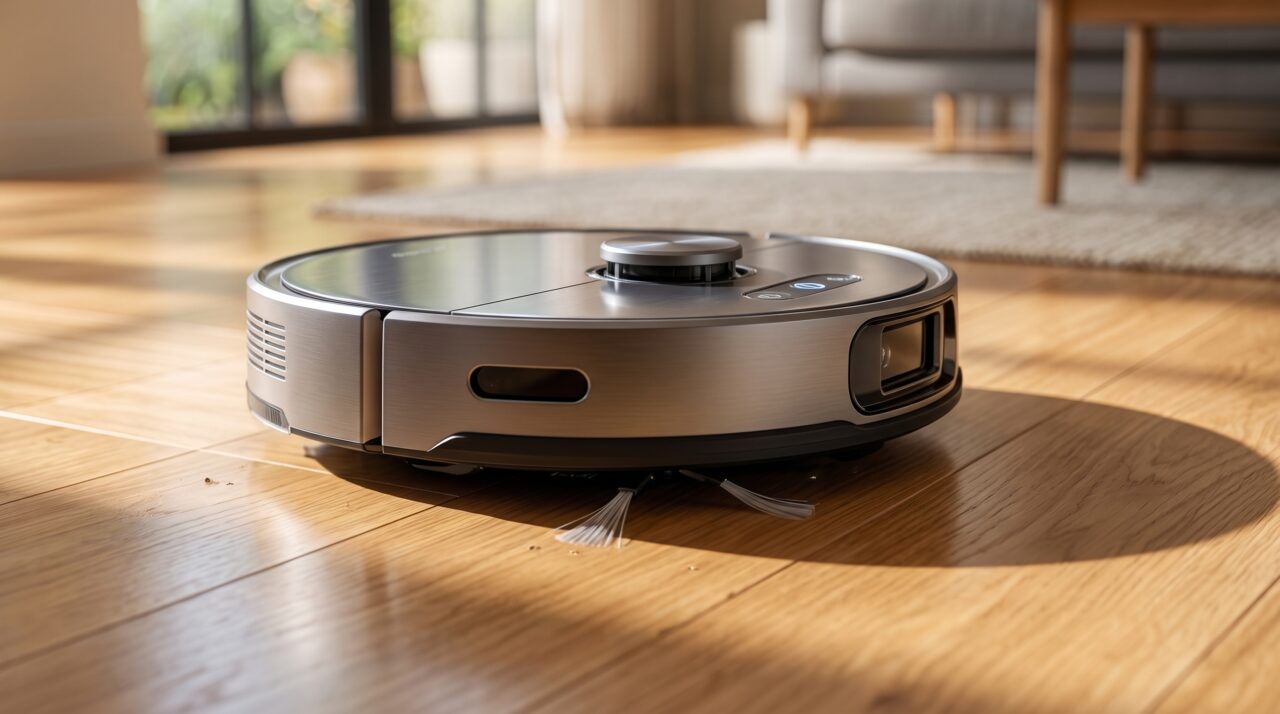

Shopping for the best robot vacuum 2026 has on offer can feel overwhelming. Brands release new models every few months, specs sheets are packed with acronyms, and marketing language rarely tells you what actually matters once the robot is running laps around your living room. This guide cuts through the noise with practical, experience-based insight into what separates a genuinely great robot vacuum from an expensive dust-pusher.
We’ll walk through navigation, suction, mopping, pet hair handling, dock technology, smart home integration, multi-story living, day-to-day noise, and budget planning, all with the goal of helping you find a machine that fits your floors, your pets, and your patience level. By the end, you should be able to look past marketing buzzwords and evaluate any listing with a clear, confident checklist of your own.
What Makes a Robot Vacuum the Best in 2026
The definition of “best” has shifted dramatically over the past few years. It used to mean a robot that could simply avoid furniture and empty its own bin. Today, the best robot vacuum 2026 shoppers are searching for needs to combine intelligent mapping, adaptive suction, and near-zero manual maintenance into one cohesive system that quietly runs in the background of a busy household.
What hasn’t changed is the core promise: a robot vacuum should save you time without creating new chores. A machine that tangles constantly in cords, misses corners, or requires weekly filter cleaning isn’t saving anyone anything, no matter how impressive its spec sheet looks on paper. The best models balance autonomy with reliability, and that balance is exactly what this guide is built to help you evaluate, section by section, feature by feature, so you walk away with a clear sense of what actually matters for your own home rather than a generic checklist copied from a manufacturer’s brochure.
Key Features to Look for in the Best Robot Vacuum 2026
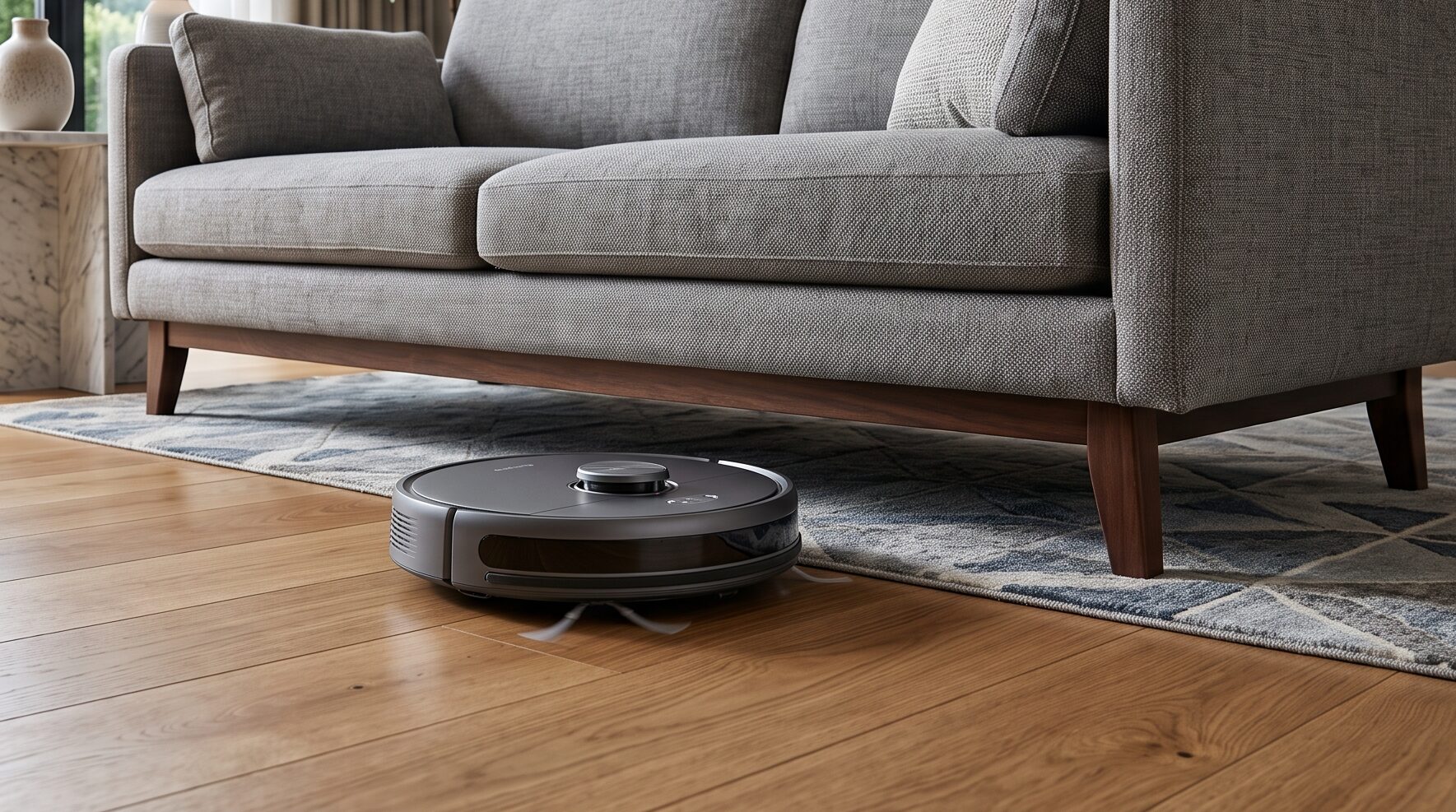
Not every feature marketed on a product page translates into real-world value. Some, like structured LiDAR mapping, genuinely change how a robot cleans your home. Others, like flashy app animations or gimmicky marketing terms, are mostly cosmetic and rarely affect day-to-day performance in any meaningful way. Knowing the difference saves both money and frustration when comparing similarly priced units.
The features worth prioritizing are navigation accuracy, obstacle detection, suction consistency across floor types, dock maintenance capability, and noise level. Together, these five factors explain roughly ninety percent of the satisfaction gap between a mediocre robot and a genuinely excellent one, and they’re the lens we’ll use throughout this article. Keep this shortlist handy as you compare listings, since it applies regardless of which brand or price tier you’re ultimately considering.
Navigation and Mapping Technology Explained
Navigation is the single biggest differentiator among robot vacuums today. Early models bumped randomly around rooms, but modern units use LiDAR, structured light, or camera-based simultaneous localization and mapping to build precise floor plans. This lets the robot clean in efficient rows rather than chaotic loops, cutting cleaning time significantly while also reducing the odds of missed patches under beds or beside bookshelves.
Multi-floor mapping has also matured considerably over the past couple of product cycles. Many current robots can store several floor plans and switch automatically once moved to a new level, remembering no-go zones, furniture layouts, and even room names for each. If you live in a multi-story home, this single feature can be the deciding factor when comparing otherwise similar machines, since re-mapping every time a robot changes floors quickly becomes tiresome.
Suction Power and Cleaning Performance
Suction power is usually listed in Pascals, but raw numbers only tell part of the story. Airflow design, brush roll shape, and how well a robot seals against different floor surfaces all affect real cleaning results far more than a single spec number suggests. Two robots with identical suction ratings can perform very differently on the same rug, which is why hands-on testing and real user feedback tend to matter more than manufacturer claims alone.
Adaptive suction has become a standard expectation rather than a luxury feature. The robot detects carpet automatically and increases power, then drops back down on hardwood to save battery and reduce noise. This kind of intelligent adjustment is one reason newer machines feel noticeably more capable than models from just two or three years ago, and it’s a feature worth confirming before you commit to any specific unit, especially if your home mixes several flooring types.
Self-Emptying Docks and Hands-Free Maintenance
The self-emptying dock has quietly become the feature that defines the premium tier of the market. Instead of manually emptying a small dustbin every few days, the robot returns to its base and empties debris into a larger container, sometimes lasting weeks between manual maintenance depending on household size and how much foot traffic your floors see day to day.
Higher-end docks go even further, washing and drying mop pads with heated water and dispensing detergent automatically. The tradeoff is a larger footprint and a higher price tag, but for households that want a truly hands-off experience, this level of automation is often worth the investment, particularly for busy families who simply don’t have the bandwidth for weekly appliance upkeep on top of everything else on their plate.
Robot Vacuums for Multi-Story and Large Homes
Larger homes introduce challenges that smaller apartments simply don’t face, including battery range, dock placement, and the logistics of cleaning multiple levels without constant manual intervention. A robot that comfortably handles a one-bedroom apartment can struggle to finish a sprawling four-bedroom house on a single charge, so battery capacity and recharge-and-resume behavior deserve close attention for bigger floor plans, especially for homes with open-concept layouts that lack natural room boundaries to break up a cleaning run.
Multiple docks are becoming a practical solution for households that want full-floor coverage without moving a single base unit up and down stairs. Some current systems support a primary self-emptying dock on one level and a simpler charging-only dock on another, letting the robot maintain separate cleaning schedules per floor. For large or multi-story homes, this kind of flexibility often matters more than raw suction power when deciding on a purchase.
Robot Vacuums for Pet Hair and Allergies
Pet owners have specific needs that generic reviews often overlook. Long hair tangling in brush rolls, dander accumulating in filters, and litter scatter near cat boxes all require targeted engineering rather than general-purpose cleaning power. Anti-tangle bristle designs and self-cleaning brush systems have made a real difference here, cutting down significantly on the manual hair-pulling that used to be a weekly chore for many multi-pet households.
Allergy sufferers should pay close attention to filtration class and dock sealing, since a robot that stirs up dust without properly containing it can make air quality worse rather than better. Models with sealed HEPA-grade filtration and enclosed emptying systems minimize the amount of allergen-laden dust that escapes back into the room, which matters just as much for households managing asthma or seasonal allergies as it does for general cleanliness.
Budget vs Premium: Finding the Best Robot Vacuum 2026 for Your Price Range
One of the more encouraging trends this year is how much capability has moved downstream into affordable models. LiDAR navigation, once exclusive to flagship robots costing well over a thousand dollars, is now common in units priced under three hundred dollars, narrowing the practical gap between tiers in a way that genuinely benefits first-time buyers on a tighter budget.
That said, premium models still lead in obstacle avoidance sophistication, mop pad lifting on carpet, and hands-free dock maintenance. If your home has a simple layout and few obstacles, a budget robot may genuinely be the best robot vacuum 2026 has to offer for your situation, delivering strong core cleaning without paying for features you’ll rarely use. If you have pets, thick rugs, or a cluttered floor plan, spending more usually pays off in fewer stuck robots and less manual cleanup, making the higher upfront cost worthwhile over the life of the machine. <div></div>
| Category | Typical Price Range | Best For | Key Strength |
|---|---|---|---|
| Budget | Under $300 | First-time buyers, small apartments | Basic LiDAR navigation, simple app control |
| Mid-Range | $300–$1,000 | Most households | Balanced suction, mopping, decent obstacle avoidance |
| Premium | $1,000–$1,500 | Pet owners, larger homes | Full self-emptying docks, advanced obstacle recognition |
| Flagship | $1,500 and above | Tech enthusiasts, complex layouts | AI-driven mapping, mop lifting, near-silent operation |
Use this table as a starting checklist rather than a final verdict, since individual model quality can vary within each price tier depending on how recently a product was released and how mature its firmware has become.
Smart Home Integration and App Features
App quality varies enormously between brands, and it directly affects daily usability far more than most buyers anticipate before living with a robot vacuum full time. The strongest apps let you draw custom cleaning zones, schedule room-specific routines, and adjust suction or mop water flow without digging through nested menus or confusing icon-only settings screens. Poorly designed apps, by contrast, can make an otherwise capable robot frustrating to live with, undermining an otherwise strong hardware experience.
Voice assistant compatibility and smart home ecosystem support have also become baseline expectations rather than bonus features. Whether you use a smart speaker or a centralized home hub, integration should feel seamless, letting you start a cleaning cycle with a simple voice command or trigger it automatically as part of a broader daily routine, such as when the last person leaves the house each morning.
Common Mistakes When Buying a Robot Vacuum
The most common mistake is chasing suction numbers while ignoring navigation quality. A powerful vacuum that gets stuck under furniture or misses entire rooms will always underperform a moderately powerful robot with smart, efficient mapping. Navigation, not raw power, determines whether a robot actually finishes the job, and it’s often the feature that separates a five-star review from a frustrated return request.
Another frequent error is underestimating dock maintenance needs. Buyers often assume a self-emptying dock means zero maintenance forever, but bags still need occasional replacement and mop tanks need refilling on a regular basis. Setting realistic expectations upfront prevents disappointment once the initial excitement of automation wears off and the routine reality of ownership sets in.
Noise Levels and Living With a Robot Vacuum Day to Day
Noise is one of the most underrated factors in daily satisfaction, especially for households that run cleaning cycles while working from home or during a baby’s nap schedule. A robot rated at a similar suction level to a competitor can still feel dramatically louder in practice, depending on motor design, brush roll balance, and how well the chassis dampens vibration against hard flooring. It’s worth checking independent decibel measurements rather than relying on marketing copy, since “quiet mode” claims can vary widely from one brand to the next.
Living comfortably with a robot vacuum also comes down to predictability. The best experiences come from machines that clean on a consistent schedule, communicate clearly through app notifications when something goes wrong, and rarely require rescue missions from under a couch or behind a curtain. These day-to-day quality-of-life details rarely show up on a spec sheet, but they shape whether a robot vacuum feels like a helpful appliance or an occasional source of mild household chaos.
Robot Vacuum Trends Shaping 2026
The market has continued moving toward premium features becoming standard rather than exclusive. Structured navigation, adaptive suction, and multi-surface mopping that once defined only the top tier are now appearing consistently in mid-range and even budget models, reshaping what shoppers should expect at every price point and pushing brands to compete harder on genuine performance rather than headline specs alone.
Obstacle avoidance has also improved sharply, with cameras and sensors now identifying specific objects like cables, pet waste, and small toys rather than treating everything as a generic obstruction. This shift matters enormously for households with children or pets, where a robot that reliably avoids mess-related mishaps saves real frustration and prevents the kind of unpleasant surprises that used to define early-generation robot vacuums.
“The line between budget and premium robot vacuums keeps blurring every year, and that’s genuinely good news for consumers who just want a floor that cleans itself without a five-figure learning curve,” notes one smart home technology analyst who reviews cleaning appliances professionally.
How to Choose the Best Robot Vacuum 2026 for Your Home
Start by mapping your actual needs rather than chasing the highest-rated model overall. Consider your floor types, whether you have pets, how cluttered your space typically gets, and how hands-off you want the maintenance routine to be. These factors matter more than brand reputation alone, and they’ll narrow a seemingly endless list of options down to a handful of realistic contenders fairly quickly.
From there, narrow your options using the feature priorities outlined earlier in this guide: navigation accuracy, adaptive suction, dock capability, and filtration quality. A model that scores well across these categories for your specific home situation is far more likely to earn the title of best robot vacuum 2026 for you personally, even if it isn’t the highest-priced or most talked-about option on the market. Reading a handful of recent owner reviews alongside professional testing data is also a smart final step before checkout.
Read more Best Manual Coffee Grinder: The Complete Buyer’s Guide
Conclusion
Choosing the best robot vacuum 2026 has to offer isn’t about finding the single “best” machine on every review site. It’s about matching real features to your real home, your real floors, and your real tolerance for maintenance. Navigation quality and dock automation matter more than most spec sheets suggest, while raw suction numbers matter less than marketing often implies, and understanding that distinction alone will save you from a lot of buyer’s remorse.
Whether you land on a budget-friendly LiDAR model or a flagship with a full-service dock, the principles in this guide apply universally. Prioritize smart navigation, realistic maintenance expectations, and features that actually solve your household’s specific cleaning challenges, and you’ll end up with a robot vacuum that earns its place in your home rather than gathering dust in a closet. The best robot vacuum 2026 has to offer is ultimately the one that quietly disappears into your routine, doing its job well enough that you stop thinking about it at all, freeing up a little more of your week for things that actually deserve your attention.
Frequently Asked Questions
What is the best robot vacuum 2026 for pet hair?
Models with anti-tangle brush rolls, strong sealed filtration, and adaptive carpet suction tend to perform best for pet hair, since these features address tangling and dander far more effectively than suction power alone. Households with multiple long-haired pets should also prioritize self-emptying docks, since manually clearing a hair-clogged bin every couple of days quickly becomes tiresome.
How much should I spend to get the best robot vacuum 2026 has available?
Spending between three hundred and one thousand dollars typically captures the strongest balance of navigation, suction, and mopping features, though budget models under three hundred dollars now offer surprisingly capable LiDAR navigation for simpler homes. Anything above that range mainly buys convenience upgrades like full-service docks rather than dramatically better core cleaning.
Do I really need a self-emptying dock?
If you want a genuinely hands-off experience, a self-emptying dock is close to essential, since it extends the time between manual maintenance from days to potentially weeks depending on your home’s debris levels. Smaller apartments with light debris may find a standard dock perfectly sufficient, so this decision often comes down to household size and pet ownership.
Can the best robot vacuum 2026 models handle both carpet and hardwood floors?
Yes, most current mid-range and premium robots automatically detect surface type and adjust suction accordingly, though mop pad lifting on carpet is still a feature mainly reserved for higher-end models. Without this lifting mechanism, a mopping robot may leave carpets damp as it crosses from hard flooring, so check this spec carefully if your home mixes both surfaces.
How long does a robot vacuum typically last before needing replacement?
Most well-maintained robot vacuums remain functional for four to six years, though battery degradation and software support timelines can vary meaningfully between brands. Regularly cleaning sensors, brush rolls, and filters according to the manufacturer’s schedule is the single easiest way to extend a unit’s usable lifespan.
Is LiDAR navigation better than camera-based navigation?
LiDAR tends to perform more consistently in low light and cluttered spaces, while camera-based systems can offer richer object recognition, so the better choice often depends on your home’s lighting and layout rather than one technology being universally superior. Some flagship models now combine both approaches, using cameras for object identification and LiDAR for the underlying spatial map.