
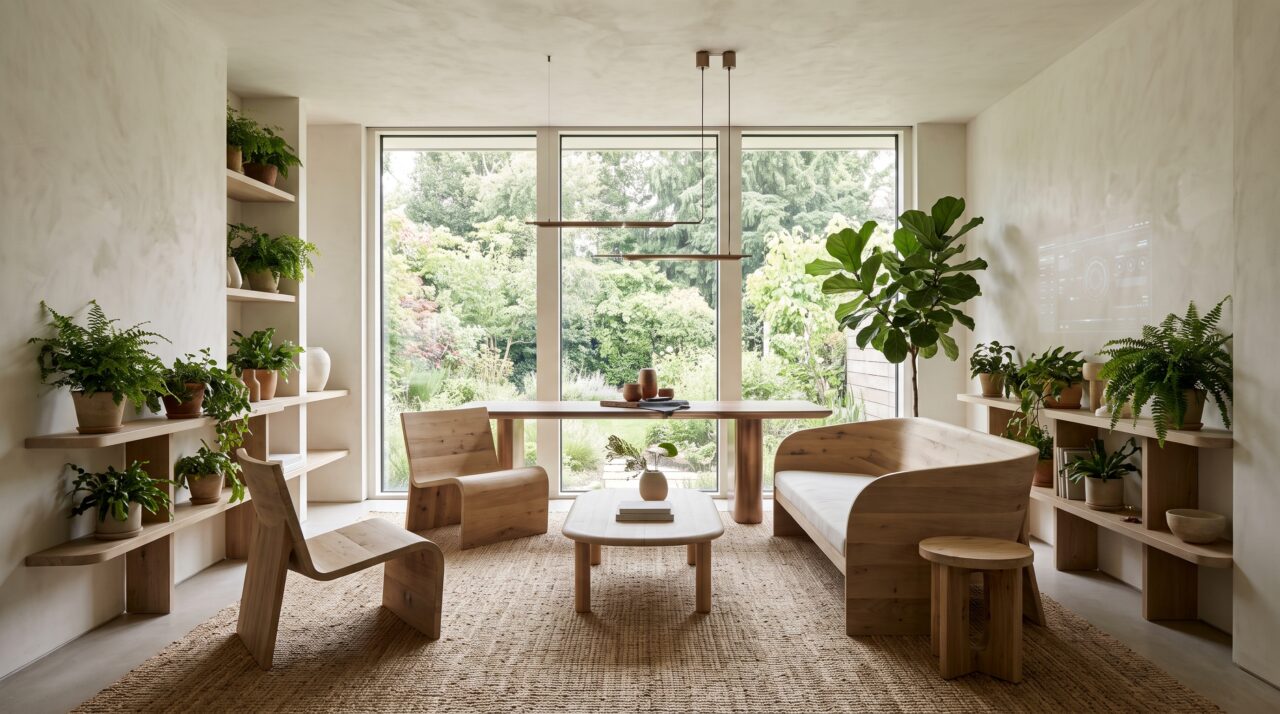

American homes are shifting away from stark minimalism and stepping into something warmer, richer, and far more personal. The interior design trends 2026 USA homeowners are chasing this year reflect a collective desire for comfort, craftsmanship, and spaces that actually feel lived in. Whether you’re planning a full renovation or a simple refresh, understanding these trends will help you make choices that feel current without going out of style the moment the next season arrives.
What’s Driving Interior Design Trends 2026 USA This Year
The biggest shift behind interior design trends 2026 USA isn’t a single color or material. It’s a mindset. After years of cool, curated, Instagram-ready interiors, homeowners are prioritizing rooms that feel authentic to how they actually live, entertain, and unwind. Designers describe this as a move from performance to permanence, where every choice is meant to hold up emotionally as well as physically.
This shift is partly a reaction to fatigue with fast furnishing and short-lived aesthetics. People are investing in fewer, better pieces, and they’re willing to spend more upfront to avoid replacing items in two years. That mindset touches everything from furniture sourcing to paint selection, and it’s the thread connecting nearly every trend on this list.
The Return of Warmth: Color Palettes Defining American Homes
Color is arguably the most visible signal of interior design trends 2026 USA this year. Cool grays and greige tones, which dominated the last decade, are giving way to deep browns, burgundy, terracotta, and forest green. These hues are showing up not just as accent walls but across entire rooms, including ceilings, millwork, and upholstery.
As design outlet StyleBlueprint summed it up, “Homes are becoming warmer, more expressive, and deeply human.” That sentiment captures the emotional logic behind this year’s palette shift. Designers aren’t picking colors just because they’re fashionable; they’re choosing tones that create a sense of comfort and permanence, pairing them with warm metals like aged brass and burnished bronze for added depth.
Thoughtful Maximalism Replaces Minimalism
Maximalism is back, but it looks nothing like the cluttered, over-the-top spaces of the past. This year’s version is more curated and intentional, layering pattern, texture, and collected objects in a way that still feels cohesive. It’s less about filling every surface and more about surrounding yourself with pieces that carry personal meaning.
Industry surveys show a meaningful jump in designers favoring vibrant, layered interiors over stark minimalism, with eclectic mixes close behind. This matters for anyone tracking interior design trends 2026 USA because it signals a genuine industry-wide pivot, not a passing social media moment. Vintage finds, inherited furniture, and one-of-a-kind art pieces are increasingly mixed with newer items to create rooms that tell a story rather than follow a formula.
Natural Materials and Craftsmanship Take Center Stage
Texture and tactility define much of what’s happening in American interiors right now. Homeowners are gravitating toward rich wood grains, hand-applied plaster finishes, linen that softens with wear, and stone with visible natural variation. These materials add depth in a way that flat, uniform surfaces simply can’t replicate.
This renewed appreciation for craftsmanship also extends to how furniture is made and sourced. Designers are steering clients toward pieces built to last decades, often sourced from local artisans rather than mass manufacturers. The result is a home that feels grounded and personal, which is exactly the emotional register driving interior design trends 2026 USA across price points and regions alike.
Wellness-Focused Rooms and Functional Layouts
Wellness has moved from a buzzword to an actual line item in home design budgets. Spa-inspired bathrooms, dedicated yoga or meditation corners, and softly lit reading nooks are appearing in homes of every size. The goal is a layout that actively supports rest and mental recovery, not just aesthetics.
Natural light plays a central role here, with designers favoring sheer window treatments and furniture placement that maximizes daylight exposure. Flexible furniture, including modular sofas and folding partitions, allows a single room to serve multiple purposes, which matters more than ever as remote work and multigenerational living remain common realities for American households.
Smart Home Technology Meets Sustainable Design
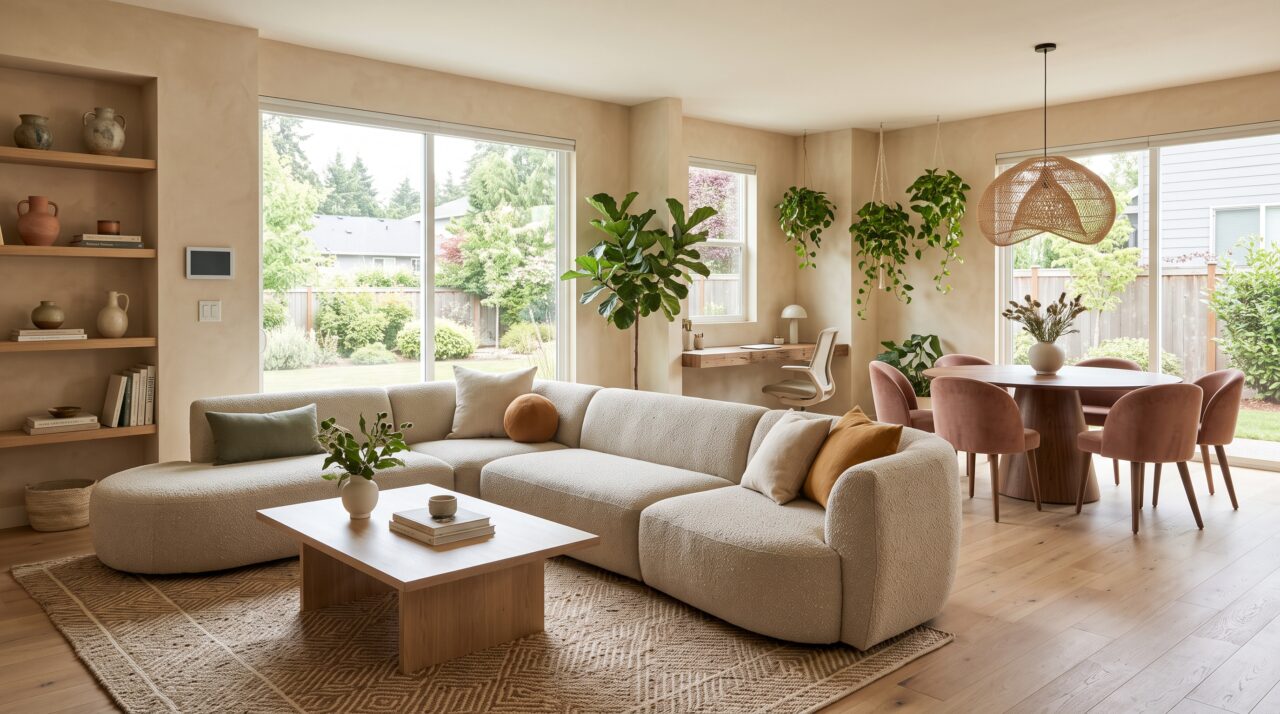
Smart home integration has quietly become a baseline expectation rather than a luxury upgrade. Automated lighting, energy monitoring systems, and app-controlled climate control are showing up even in mid-range renovation projects. Homeowners want convenience, but they also want lower utility bills and a smaller environmental footprint.
Sustainability and technology are increasingly intertwined in the trends shaping interior design trends 2026 USA conversations this year. Energy-efficient appliances, reclaimed materials, and low-VOC finishes are no longer niche choices reserved for eco-conscious buyers; they’re becoming standard requests during design consultations, reflecting a broader cultural shift toward responsible, long-term home investment.
Regional Variations Across the USA
Trends don’t land identically everywhere, and that’s part of what makes interior design trends 2026 USA such a rich topic to explore. Coastal regions in the Northeast and Pacific Northwest continue to favor layered neutrals with subtle nautical influence, while the Southwest is leaning further into warm terracottas and adobe-inspired textures that echo the local landscape.
In the South, traditional details like classic moldings and historical silhouettes are being reimagined with modern furniture and bold color choices, a style often called modern heritage. Meanwhile, urban centers on both coasts are seeing more compact, multifunctional layouts that prioritize storage and flexibility, since square footage remains at a premium in major metro markets.
Kitchen and Bathroom Design Trends
Kitchens are moving away from the all-white, sterile look that dominated for years. Warm wood cabinetry, textured tile backsplashes, and mixed metal fixtures are creating kitchens that feel more like living spaces than showrooms. Statement lighting, often with sculptural or vintage-inspired silhouettes, is becoming a focal point rather than an afterthought.
Bathrooms are following a similar trajectory, with natural stone, deep color palettes, and spa-like details replacing the clinical white-on-white look. Freestanding tubs, warm-toned tile, and layered lighting are helping bathrooms function as genuine retreat spaces. These shifts reinforce just how consistent the warmth-driven theme is across every category within interior design trends 2026 USA.
Budgeting for Your 2026 Interior Design Project
Cost remains one of the biggest questions homeowners have before committing to a redesign. Understanding typical price ranges helps set realistic expectations, whether you’re hiring a full-service designer or handling the project room by room. The table below breaks down common project types and their approximate costs this year.
| Project Type | Typical Cost Range | Notes |
|---|---|---|
| Single room refresh | $450 – $12,000 | Wide range depending on furniture and finish quality |
| Full-service interior designer (whole home) | $5,000 – $12,000+ | Often adds roughly 25% to overall project cost for fees |
| Hourly designer consultation | $100 – $200/hour | Best for smaller, targeted projects |
| Virtual design package | Under $100 – $500 | Good budget-friendly starting point |
| Kitchen remodel with new finishes | $15,000 – $50,000+ | Cabinetry and countertops drive most of the cost |
| Bathroom remodel (spa-style upgrade) | $10,000 – $30,000+ | Natural stone and custom tile increase costs significantly |
Knowing where your budget fits into this range makes it much easier to prioritize. If funds are tight, many homeowners are choosing modular furniture and open shelving instead of custom cabinetry, which keeps the look current without the higher price tag of built-in features.
Common Mistakes to Avoid When Following Trends
The most common mistake homeowners make is chasing every trend at once, which can leave a room feeling disjointed rather than curated. It’s far more effective to pick one or two elements, like a warm color palette or a natural material, and build the rest of the room around them thoughtfully.
Another frequent misstep is ignoring scale and proportion in favor of trendy individual pieces. A gorgeous statement chair means little if it overwhelms a small room or clashes with existing furniture. Designers consistently recommend starting with a plan for the whole space before purchasing anything, even when a piece feels too good to pass up.
How to Adapt These Trends to Your Own Home
Not every trend needs a full renovation to feel present in your space. Swapping out light fixtures, introducing a warmer paint color, or layering in textured throw pillows and vintage accessories can shift a room’s entire feel without a major budget commitment. Small, intentional changes often have an outsized impact.
For bigger updates, prioritize the spaces you use most. A primary bedroom or kitchen refresh will likely deliver more daily satisfaction than a formal dining room that only gets used a few times a year. Thinking through how interior design trends 2026 USA actually apply to your lifestyle, rather than simply replicating a photo, leads to results that feel personal and lasting.
Final Thoughts on This Year’s Direction
Looking across every category, from color to materials to technology, the throughline is clear: American homeowners want spaces that feel warm, personal, and built to last. Interior design trends 2026 USA aren’t about following a rigid formula; they’re about giving yourself permission to prioritize comfort and authenticity over trend-chasing for its own sake.
Whether you’re updating a single room or planning a full remodel, the most successful approach borrows selectively from what resonates with your own life. That’s ultimately what makes a home feel timeless, regardless of what’s popular next year.
Read more Best State to Buy a Car: The Ultimate Financial and Legal Breakdown Guide
Frequently Asked Questions
What are the biggest interior design trends 2026 USA homeowners should know about?
The standout interior design trends 2026 USA this year include warm, earthy color palettes, thoughtful maximalism, natural materials, wellness-focused rooms, and smart home integration paired with sustainable choices.
Is minimalism still popular in 2026?
Minimalism hasn’t disappeared, but it’s no longer the dominant style. Many homeowners following interior design trends 2026 USA are choosing warmer, more layered interiors over stark, sparse spaces.
What colors are trending in American homes this year?
Deep browns, burgundy, terracotta, and forest green are leading the way, often paired with warm metals like aged brass. These earthy, dramatic hues reflect the broader shift toward warmth seen across interior design trends 2026 USA.
How much does a home redesign typically cost in 2026?
Costs vary widely, from a few hundred dollars for a small refresh to $12,000 or more for a full-service, whole-home project. The budgeting table above offers a clearer breakdown by project type.
Do I need a professional designer to follow current trends?
Not necessarily. Many elements of interior design trends 2026 USA, like warmer paint colors or layered textiles, can be introduced affordably on your own, though a designer can help with larger structural or full-room projects.
Are smart home features considered part of interior design now?
Yes. Automated lighting, energy monitoring, and app-controlled climate systems are increasingly treated as standard design elements rather than optional add-ons within current interior design trends 2026 USA.